Aclaro que este es un post traducido, asi que disculpen la traduccion si no es correcta
Como los hackers ayudan en la lucha contra el cancer?
Cuando uno a tres humanos estan afectados por una enfermedad, estos necesitan atencion y ayuda de todos los sectores. Hay muchos tipos de canceres, asi que es dificil de decir que alguna seremos capaces de curar el "cancer". Pero la prevencion el cuidado apropiado y la rapida deteccion son cruciales en el diagnostico y tratamiento del cancer.
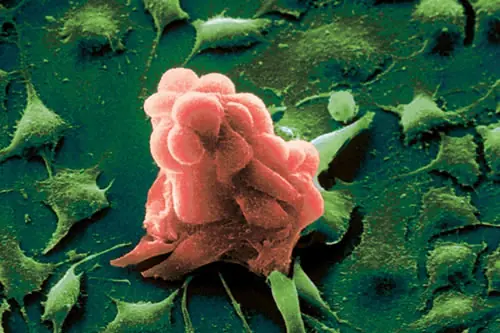
David agus, un doctor de la lucha contra el cancer, le gustaria decir:
En la medicina de hoy en dia, nosotros gastamos la mayor parte de los dolares en terminos de tratamiento para la enfermedad, en los ultimos dos años de la vida de una persona.
yo reflexione sobre esto un dia y crei que averiguaria sobre algunas posibilidades programables relacionadas con la investigacion del cancer para los hackers de la comunidad no cientifica, ademas de los medios obvios de ayuda, como las donaciones, (tanto caridad como la investigacion ).
Me puse en contacto con Jon Kiddy, un ingeniero en software quien trabaja en rosweell park cancer institute.
Jon compartio amablemente su punto de vista (su opinion ) e indico que el estado actual de la investigacion del cancer se puede resumir en uno de los puestos excelentes de Daniel Markham.
Despues de haber leido el libro sobre el sujeto llamado "el emperador de todas las enfermedades", Daniel continuo a declarar el problema general de la investigacion del cancer, consiste en que la medicina estadounidenste no es el sistema adecuado para apoyar el cuidado individualizado y el tratamiento, que se somete actualmente al escrutinuo mas intensivo.
Un comentador en las noticias hackers le respondio a Daniel con este mensaje inspirador:
Tu quieres curar el cancer, no esperes de los cientificos. Ellos estan dificultados por un control. Se un ingeniero: sal de ahi y haz el trabajo fuera de estados unidos.
What started as modest self-education, has led me to several impactful ways in helping with cancer research:
1. Distributed Computing Projects – In 2003, with grid computing, in less than three months scientists identified 44 potential treatments to fight the deadly smallpox disease. Without the grid, the work would have taken more than one year to complete. Participating in a distributed computing project is the easiest way to get involved with cancer research.
You can donate your unused computer resources to research projects like Help Conquer Cancer, Help Fight Childhood Cancer, Rosetta@home, Folding@home.
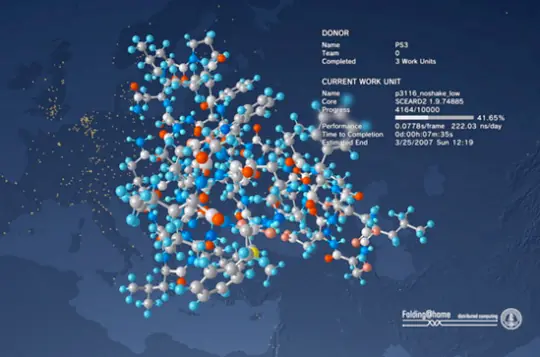
Grid computing works by splitting complex computations into small pieces that can be processed simultaneously on individual public nodes, there-by reducing research time and making the technology infrastructure cost-effective.
2. Build on “Big Data” – Massive amounts of raw data is available for analysis in cancer research. As Jon wrote back to me:
The problem comes when there is such a large amount of data to process in a field where each individual’s treatment is usually uniquely suited only to them. Hadoop/Hbase is in use by The Cancer Genome Atlas to make some of this process more bearable. Their datasets are invaluable.
The combination of Apache Hadoop (for distributed computing), HBase (distributed database), MapReduce (for distributed computing on large datasets on clusters of computers), R Project (for statistical computing), and Gephi (for visualization and exploration) changes the way we think about analysis of Big Data.
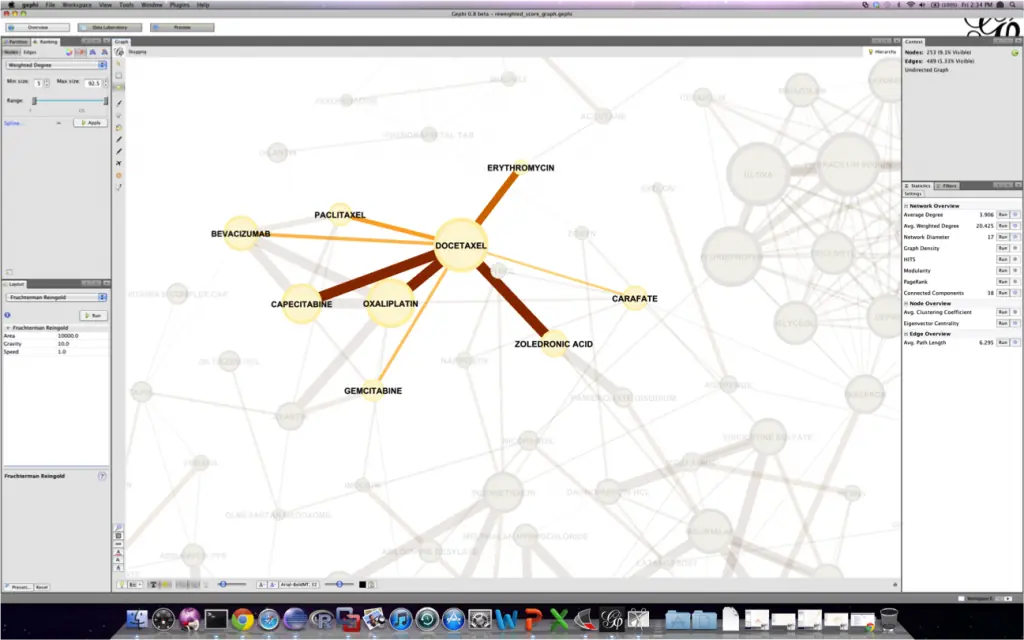
Data analysis, data visualization and even Web crawler technology are all important in cancer research, for processing highly distributable problems across huge datasets using a large number of computers.
Last year, the Cloudera Data Science Team wrote about some of their work with Hadoop:
Instead of focusing on a handful of outcomes, we can process all of the events in the data set at the same time. We can try out hundreds of different strategies for cleaning records, stratifying observations into clusters, and scoring drug-reaction tuples, run everything in parallel, and analyze the data at a fraction of the cost of a traditional supercomputer. We can render the results of our analyses using visualization tools that can be used by domain experts to explore relationships within our data that they might never have thought to look for. By dramatically reducing the costs of exploration and experimentation, we foster an environment that enables innovation and discovery.
3. Apps and Tools – Personal profiling and monitoring could be another area of focus for developers interested in cancer research or general health-related diagnosis.
Despues lo termino de traducir, me voy a comer
Como los hackers ayudan en la lucha contra el cancer?
Cuando uno a tres humanos estan afectados por una enfermedad, estos necesitan atencion y ayuda de todos los sectores. Hay muchos tipos de canceres, asi que es dificil de decir que alguna seremos capaces de curar el "cancer". Pero la prevencion el cuidado apropiado y la rapida deteccion son cruciales en el diagnostico y tratamiento del cancer.
David agus, un doctor de la lucha contra el cancer, le gustaria decir:
En la medicina de hoy en dia, nosotros gastamos la mayor parte de los dolares en terminos de tratamiento para la enfermedad, en los ultimos dos años de la vida de una persona.
yo reflexione sobre esto un dia y crei que averiguaria sobre algunas posibilidades programables relacionadas con la investigacion del cancer para los hackers de la comunidad no cientifica, ademas de los medios obvios de ayuda, como las donaciones, (tanto caridad como la investigacion ).
Me puse en contacto con Jon Kiddy, un ingeniero en software quien trabaja en rosweell park cancer institute.
Jon compartio amablemente su punto de vista (su opinion ) e indico que el estado actual de la investigacion del cancer se puede resumir en uno de los puestos excelentes de Daniel Markham.
Despues de haber leido el libro sobre el sujeto llamado "el emperador de todas las enfermedades", Daniel continuo a declarar el problema general de la investigacion del cancer, consiste en que la medicina estadounidenste no es el sistema adecuado para apoyar el cuidado individualizado y el tratamiento, que se somete actualmente al escrutinuo mas intensivo.
Un comentador en las noticias hackers le respondio a Daniel con este mensaje inspirador:
Tu quieres curar el cancer, no esperes de los cientificos. Ellos estan dificultados por un control. Se un ingeniero: sal de ahi y haz el trabajo fuera de estados unidos.
What started as modest self-education, has led me to several impactful ways in helping with cancer research:
1. Distributed Computing Projects – In 2003, with grid computing, in less than three months scientists identified 44 potential treatments to fight the deadly smallpox disease. Without the grid, the work would have taken more than one year to complete. Participating in a distributed computing project is the easiest way to get involved with cancer research.
You can donate your unused computer resources to research projects like Help Conquer Cancer, Help Fight Childhood Cancer, Rosetta@home, Folding@home.
Grid computing works by splitting complex computations into small pieces that can be processed simultaneously on individual public nodes, there-by reducing research time and making the technology infrastructure cost-effective.
2. Build on “Big Data” – Massive amounts of raw data is available for analysis in cancer research. As Jon wrote back to me:
The problem comes when there is such a large amount of data to process in a field where each individual’s treatment is usually uniquely suited only to them. Hadoop/Hbase is in use by The Cancer Genome Atlas to make some of this process more bearable. Their datasets are invaluable.
The combination of Apache Hadoop (for distributed computing), HBase (distributed database), MapReduce (for distributed computing on large datasets on clusters of computers), R Project (for statistical computing), and Gephi (for visualization and exploration) changes the way we think about analysis of Big Data.
Data analysis, data visualization and even Web crawler technology are all important in cancer research, for processing highly distributable problems across huge datasets using a large number of computers.
Last year, the Cloudera Data Science Team wrote about some of their work with Hadoop:
Instead of focusing on a handful of outcomes, we can process all of the events in the data set at the same time. We can try out hundreds of different strategies for cleaning records, stratifying observations into clusters, and scoring drug-reaction tuples, run everything in parallel, and analyze the data at a fraction of the cost of a traditional supercomputer. We can render the results of our analyses using visualization tools that can be used by domain experts to explore relationships within our data that they might never have thought to look for. By dramatically reducing the costs of exploration and experimentation, we foster an environment that enables innovation and discovery.
3. Apps and Tools – Personal profiling and monitoring could be another area of focus for developers interested in cancer research or general health-related diagnosis.
Despues lo termino de traducir, me voy a comer