![Marihuana: Estudios médicos, libros, etc.[2 parte]](https://storage.posteamelo.com/assets-adonis/assets/2018/06/20/59B3CAA47-e7_v_938M62.webp "Marihuana: Estudios médicos, libros, etc.[2 parte]")
Bienvenidos a mi post!!


Primera parte:
Hola gente, en esta segunda y ultima parte les dejo la segunda y ultima parte de "Marihuana Medicinal" y una serie de PDFs, libros y ensayos que explican como es que la marihuana no es tan dañina y que muestra los diversos usos medicinales que se le pueden dar a esta planta
Marihuana Medicinal
Aca voy a tratar sobre el uso medicinal que se le puede dar al cannabis
Laboratory/Animal/Preclinical Studies
Cannabinoids are a group of 21-carbon–containing terpenophenolic compounds produced uniquely by Cannabis sativa and Cannabis indica species.These plant-derived compounds may be referred to as phytocannabinoids. Although delta-9-tetrahydrocannabinol (THC) is the primary psychoactive ingredient, other known compounds with biologic activity are cannabinol, cannabidiol (CBD), cannabichromene, cannabigerol, tetrahydrocannabivarin, and delta-8-THC. CBD, in particular, is thought to have significant analgesic and anti-inflammatory activity without the psychoactive effect (high) of delta-9-THC.
Antitumor Effects
One study in mice and rats suggested that cannabinoids may have a protective effect against the development of certain types of tumors. During this 2-year study, groups of mice and rats were given various doses of THC by gavage. A dose-related decrease in the incidence of hepatic adenoma tumors and hepatocellular carcinoma was observed in the mice. Decreased incidences of benign tumors (polyps and adenomas) in other organs (mammary gland, uterus, pituitary, testis, and pancreas) were also noted in the rats. In another study, delta-9-THC, delta-8-THC, and cannabinol were found to inhibit the growth of Lewis lung adenocarcinoma cells in vitro and in vivo In addition, other tumors have been shown to be sensitive to cannabinoid-induced growth inhibition.
Cannabinoids may cause antitumor effects by various mechanisms, including induction of cell death, inhibition of cell growth, and inhibition of tumor angiogenesis and metastasis. Cannabinoids appear to kill tumor cells but do not affect their nontransformed counterparts and may even protect them from cell death. These compounds have been shown to induce apoptosis in glioma cells in culture and induce regression of glioma tumors in mice and rats. Cannabinoids protect normal glial cells of astroglial and oligodendroglial lineages from apoptosis mediated by the CB1 receptor.
The effects of delta-9-THC and a synthetic agonist of the CB2 receptor were investigated in hepatocellular carcinoma (HCC). Both agents reduced the viability of hepatocellular carcinoma cells in vitro and demonstrated antitumor effects in hepatocellular carcinoma subcutaneous xenografts in nude mice. The investigations documented that the anti-HCC effects are mediated by way of the CB2 receptor. Similar to findings in glioma cells, the cannabinoids were shown to trigger cell death through stimulation of an endoplasmic reticulum stress pathway that activates autophagy and promotes apoptosis. Other investigations have confirmed that CB1 and CB2 receptors may be potential targets in non-small cell lung carcinoma and breast cancer.
In an in vivo model using severe combined immunodeficient mice, subcutaneous tumors were generated by inoculating the animals with cells from human non-small cell lung carcinoma cell lines.Tumor growth was inhibited by 60% in THC-treated mice compared with vehicle-treated control mice. Tumor specimens revealed that THC had antiangiogenic and antiproliferative effects. However, research with immunocompetent murine tumor models has demonstrated immunosuppression and enhanced tumor growth in mice treated with THC.
In addition, both plant-derived and endogenous cannabinoids have been studied for anti-inflammatory effects. A mouse study demonstrated that endogenous cannabinoid system signaling is likely to provide intrinsic protection against colonic inflammation. As a result, a hypothesis that phytocannabinoids and endocannabinoids may be useful in the risk reduction and treatment of colorectal cancer has been developed.
Appetite Stimulation
Many animal studies have previously demonstrated that delta-9-THC and other cannabinoids have a stimulatory effect on appetite and increase food intake. It is believed that the endogenous cannabinoid system may serve as a regulator of feeding behavior. The endogenous cannabinoid anandamide potently enhances appetite in mice.Moreover, CB1 receptors in the hypothalamus may be involved in the motivational or reward aspects of eating.
Analgesia
Understanding the mechanism of cannabinoid-induced analgesia has been increased through the study of cannabinoid receptors, endocannabinoids, and synthetic agonists and antagonists. The CB1 receptor is found in both the central nervous system (CNS) and in peripheral nerve terminals. Similar to opioid receptors, increased levels of the CB1 receptor are found in regions of the brain that regulate nociceptive processing.CB2 receptors, located predominantly in peripheral tissue, exist at very low levels in the CNS. With the development of receptor-specific antagonists, additional information about the roles of the receptors and endogenous cannabinoids in the modulation of pain has been obtained.
Cannabinoids may also contribute to pain modulation through an anti-inflammatory mechanism; a CB2 effect with cannabinoids acting on mast cell receptors to attenuate the release of inflammatory agents, such as histamine and serotonin, and on keratinocytes to enhance the release of analgesic opioids has been described.
References
Adams IB, Martin BR: Cannabis: pharmacology and toxicology in animals and humans. Addiction 91 (11): 1585-614, 1996. [PUBMED Abstract]
Grotenhermen F, Russo E, eds.: Cannabis and Cannabinoids: Pharmacology, Toxicology, and Therapeutic Potential. Binghamton, NY: The Haworth Press, 2002.
National Toxicology Program .: NTP toxicology and carcinogenesis studies of 1-trans-delta(9)-tetrahydrocannabinol (CAS No. 1972-08-3) in F344 rats and B6C3F1 mice (gavage studies). Natl Toxicol Program Tech Rep Ser 446 (): 1-317, 1996. [PUBMED Abstract]
Bifulco M, Laezza C, Pisanti S, et al.: Cannabinoids and cancer: pros and cons of an antitumour strategy. Br J Pharmacol 148 (2): 123-35, 2006. [PUBMED Abstract]
Sánchez C, de Ceballos ML, Gomez del Pulgar T, et al.: Inhibition of glioma growth in vivo by selective activation of the CB(2) cannabinoid receptor. Cancer Res 61 (15): 5784-9, 2001. [PUBMED Abstract]
McKallip RJ, Lombard C, Fisher M, et al.: Targeting CB2 cannabinoid receptors as a novel therapy to treat malignant lymphoblastic disease. Blood 100 (2): 627-34, 2002. [PUBMED Abstract]
Casanova ML, Blázquez C, Martínez-Palacio J, et al.: Inhibition of skin tumor growth and angiogenesis in vivo by activation of cannabinoid receptors. J Clin Invest 111 (1): 43-50, 2003. [PUBMED Abstract]
Blázquez C, González-Feria L, Alvarez L, et al.: Cannabinoids inhibit the vascular endothelial growth factor pathway in gliomas. Cancer Res 64 (16): 5617-23, 2004. [PUBMED Abstract]
Guzmán M: Cannabinoids: potential anticancer agents. Nat Rev Cancer 3 (10): 745-55, 2003. [PUBMED Abstract]
Blázquez C, Casanova ML, Planas A, et al.: Inhibition of tumor angiogenesis by cannabinoids. FASEB J 17 (3): 529-31, 2003. [PUBMED Abstract]
Vaccani A, Massi P, Colombo A, et al.: Cannabidiol inhibits human glioma cell migration through a cannabinoid receptor-independent mechanism. Br J Pharmacol 144 (8): 1032-6, 2005. [PUBMED Abstract]
Torres S, Lorente M, Rodríguez-Fornés F, et al.: A combined preclinical therapy of cannabinoids and temozolomide against glioma. Mol Cancer Ther 10 (1): 90-103, 2011. [PUBMED Abstract]
Vara D, Salazar M, Olea-Herrero N, et al.: Anti-tumoral action of cannabinoids on hepatocellular carcinoma: role of AMPK-dependent activation of autophagy. Cell Death Differ 18 (7): 1099-111, 2011. [PUBMED Abstract]
Preet A, Qamri Z, Nasser MW, et al.: Cannabinoid receptors, CB1 and CB2, as novel targets for inhibition of non-small cell lung cancer growth and metastasis. Cancer Prev Res (Phila) 4 (1): 65-75, 2011. [PUBMED Abstract]
Nasser MW, Qamri Z, Deol YS, et al.: Crosstalk between chemokine receptor CXCR4 and cannabinoid receptor CB2 in modulating breast cancer growth and invasion. PLoS One 6 (9): e23901, 2011. [PUBMED Abstract]
Preet A, Ganju RK, Groopman JE: Delta9-Tetrahydrocannabinol inhibits epithelial growth factor-induced lung cancer cell migration in vitro as well as its growth and metastasis in vivo. Oncogene 27 (3): 339-46, 2008. [PUBMED Abstract]
Zhu LX, Sharma S, Stolina M, et al.: Delta-9-tetrahydrocannabinol inhibits antitumor immunity by a CB2 receptor-mediated, cytokine-dependent pathway. J Immunol 165 (1): 373-80, 2000. [PUBMED Abstract]
McKallip RJ, Nagarkatti M, Nagarkatti PS: Delta-9-tetrahydrocannabinol enhances breast cancer growth and metastasis by suppression of the antitumor immune response. J Immunol 174 (6): 3281-9, 2005. [PUBMED Abstract]
Massa F, Marsicano G, Hermann H, et al.: The endogenous cannabinoid system protects against colonic inflammation. J Clin Invest 113 (8): 1202-9, 2004. [PUBMED Abstract]
Patsos HA, Hicks DJ, Greenhough A, et al.: Cannabinoids and cancer: potential for colorectal cancer therapy. Biochem Soc Trans 33 (Pt 4): 712-4, 2005. [PUBMED Abstract]
Liu WM, Fowler DW, Dalgleish AG: Cannabis-derived substances in cancer therapy--an emerging anti-inflammatory role for the cannabinoids. Curr Clin Pharmacol 5 (4): 281-7, 2010. [PUBMED Abstract]
Malfitano AM, Ciaglia E, Gangemi G, et al.: Update on the endocannabinoid system as an anticancer target. Expert Opin Ther Targets 15 (3): 297-308, 2011. [PUBMED Abstract]
Sarfaraz S, Adhami VM, Syed DN, et al.: Cannabinoids for cancer treatment: progress and promise. Cancer Res 68 (2): 339-42, 2008. [PUBMED Abstract]
Mechoulam R, Berry EM, Avraham Y, et al.: Endocannabinoids, feeding and suckling--from our perspective. Int J Obes (Lond) 30 (Suppl 1): S24-8, 2006. [PUBMED Abstract]
Fride E, Bregman T, Kirkham TC: Endocannabinoids and food intake: newborn suckling and appetite regulation in adulthood. Exp Biol Med (Maywood) 230 (4): 225-34, 2005. [PUBMED Abstract]
Walker JM, Hohmann AG, Martin WJ, et al.: The neurobiology of cannabinoid analgesia. Life Sci 65 (6-7): 665-73, 1999. [PUBMED Abstract]
Meng ID, Manning BH, Martin WJ, et al.: An analgesia circuit activated by cannabinoids. Nature 395 (6700): 381-3, 1998. [PUBMED Abstract]
Walker JM, Huang SM, Strangman NM, et al.: Pain modulation by release of the endogenous cannabinoid anandamide. Proc Natl Acad Sci U S A 96 (21): 12198-203, 1999. [PUBMED Abstract]
Facci L, Dal Toso R, Romanello S, et al.: Mast cells express a peripheral cannabinoid receptor with differential sensitivity to anandamide and palmitoylethanolamide. Proc Natl Acad Sci U S A 92 (8): 3376-80, 1995. [PUBMED Abstract]
Ibrahim MM, Porreca F, Lai J, et al.: CB2 cannabinoid receptor activation produces antinociception by stimulating peripheral release of endogenous opioids. Proc Natl Acad Sci U S A 102 (8): 3093-8, 2005. [PUBMED Abstract]
Richardson JD, Kilo S, Hargreaves KM: Cannabinoids reduce hyperalgesia and inflammation via interaction with peripheral CB1 receptors. Pain 75 (1): 111-9, 1998.
Adams IB, Martin BR: Cannabis: pharmacology and toxicology in animals and humans. Addiction 91 (11): 1585-614, 1996. [PUBMED Abstract]
Grotenhermen F, Russo E, eds.: Cannabis and Cannabinoids: Pharmacology, Toxicology, and Therapeutic Potential. Binghamton, NY: The Haworth Press, 2002.
National Toxicology Program .: NTP toxicology and carcinogenesis studies of 1-trans-delta(9)-tetrahydrocannabinol (CAS No. 1972-08-3) in F344 rats and B6C3F1 mice (gavage studies). Natl Toxicol Program Tech Rep Ser 446 (): 1-317, 1996. [PUBMED Abstract]
Bifulco M, Laezza C, Pisanti S, et al.: Cannabinoids and cancer: pros and cons of an antitumour strategy. Br J Pharmacol 148 (2): 123-35, 2006. [PUBMED Abstract]
Sánchez C, de Ceballos ML, Gomez del Pulgar T, et al.: Inhibition of glioma growth in vivo by selective activation of the CB(2) cannabinoid receptor. Cancer Res 61 (15): 5784-9, 2001. [PUBMED Abstract]
McKallip RJ, Lombard C, Fisher M, et al.: Targeting CB2 cannabinoid receptors as a novel therapy to treat malignant lymphoblastic disease. Blood 100 (2): 627-34, 2002. [PUBMED Abstract]
Casanova ML, Blázquez C, Martínez-Palacio J, et al.: Inhibition of skin tumor growth and angiogenesis in vivo by activation of cannabinoid receptors. J Clin Invest 111 (1): 43-50, 2003. [PUBMED Abstract]
Blázquez C, González-Feria L, Alvarez L, et al.: Cannabinoids inhibit the vascular endothelial growth factor pathway in gliomas. Cancer Res 64 (16): 5617-23, 2004. [PUBMED Abstract]
Guzmán M: Cannabinoids: potential anticancer agents. Nat Rev Cancer 3 (10): 745-55, 2003. [PUBMED Abstract]
Blázquez C, Casanova ML, Planas A, et al.: Inhibition of tumor angiogenesis by cannabinoids. FASEB J 17 (3): 529-31, 2003. [PUBMED Abstract]
Vaccani A, Massi P, Colombo A, et al.: Cannabidiol inhibits human glioma cell migration through a cannabinoid receptor-independent mechanism. Br J Pharmacol 144 (8): 1032-6, 2005. [PUBMED Abstract]
Torres S, Lorente M, Rodríguez-Fornés F, et al.: A combined preclinical therapy of cannabinoids and temozolomide against glioma. Mol Cancer Ther 10 (1): 90-103, 2011. [PUBMED Abstract]
Vara D, Salazar M, Olea-Herrero N, et al.: Anti-tumoral action of cannabinoids on hepatocellular carcinoma: role of AMPK-dependent activation of autophagy. Cell Death Differ 18 (7): 1099-111, 2011. [PUBMED Abstract]
Preet A, Qamri Z, Nasser MW, et al.: Cannabinoid receptors, CB1 and CB2, as novel targets for inhibition of non-small cell lung cancer growth and metastasis. Cancer Prev Res (Phila) 4 (1): 65-75, 2011. [PUBMED Abstract]
Nasser MW, Qamri Z, Deol YS, et al.: Crosstalk between chemokine receptor CXCR4 and cannabinoid receptor CB2 in modulating breast cancer growth and invasion. PLoS One 6 (9): e23901, 2011. [PUBMED Abstract]
Preet A, Ganju RK, Groopman JE: Delta9-Tetrahydrocannabinol inhibits epithelial growth factor-induced lung cancer cell migration in vitro as well as its growth and metastasis in vivo. Oncogene 27 (3): 339-46, 2008. [PUBMED Abstract]
Zhu LX, Sharma S, Stolina M, et al.: Delta-9-tetrahydrocannabinol inhibits antitumor immunity by a CB2 receptor-mediated, cytokine-dependent pathway. J Immunol 165 (1): 373-80, 2000. [PUBMED Abstract]
McKallip RJ, Nagarkatti M, Nagarkatti PS: Delta-9-tetrahydrocannabinol enhances breast cancer growth and metastasis by suppression of the antitumor immune response. J Immunol 174 (6): 3281-9, 2005. [PUBMED Abstract]
Massa F, Marsicano G, Hermann H, et al.: The endogenous cannabinoid system protects against colonic inflammation. J Clin Invest 113 (8): 1202-9, 2004. [PUBMED Abstract]
Patsos HA, Hicks DJ, Greenhough A, et al.: Cannabinoids and cancer: potential for colorectal cancer therapy. Biochem Soc Trans 33 (Pt 4): 712-4, 2005. [PUBMED Abstract]
Liu WM, Fowler DW, Dalgleish AG: Cannabis-derived substances in cancer therapy--an emerging anti-inflammatory role for the cannabinoids. Curr Clin Pharmacol 5 (4): 281-7, 2010. [PUBMED Abstract]
Malfitano AM, Ciaglia E, Gangemi G, et al.: Update on the endocannabinoid system as an anticancer target. Expert Opin Ther Targets 15 (3): 297-308, 2011. [PUBMED Abstract]
Sarfaraz S, Adhami VM, Syed DN, et al.: Cannabinoids for cancer treatment: progress and promise. Cancer Res 68 (2): 339-42, 2008. [PUBMED Abstract]
Mechoulam R, Berry EM, Avraham Y, et al.: Endocannabinoids, feeding and suckling--from our perspective. Int J Obes (Lond) 30 (Suppl 1): S24-8, 2006. [PUBMED Abstract]
Fride E, Bregman T, Kirkham TC: Endocannabinoids and food intake: newborn suckling and appetite regulation in adulthood. Exp Biol Med (Maywood) 230 (4): 225-34, 2005. [PUBMED Abstract]
Walker JM, Hohmann AG, Martin WJ, et al.: The neurobiology of cannabinoid analgesia. Life Sci 65 (6-7): 665-73, 1999. [PUBMED Abstract]
Meng ID, Manning BH, Martin WJ, et al.: An analgesia circuit activated by cannabinoids. Nature 395 (6700): 381-3, 1998. [PUBMED Abstract]
Walker JM, Huang SM, Strangman NM, et al.: Pain modulation by release of the endogenous cannabinoid anandamide. Proc Natl Acad Sci U S A 96 (21): 12198-203, 1999. [PUBMED Abstract]
Facci L, Dal Toso R, Romanello S, et al.: Mast cells express a peripheral cannabinoid receptor with differential sensitivity to anandamide and palmitoylethanolamide. Proc Natl Acad Sci U S A 92 (8): 3376-80, 1995. [PUBMED Abstract]
Ibrahim MM, Porreca F, Lai J, et al.: CB2 cannabinoid receptor activation produces antinociception by stimulating peripheral release of endogenous opioids. Proc Natl Acad Sci U S A 102 (8): 3093-8, 2005. [PUBMED Abstract]
Richardson JD, Kilo S, Hargreaves KM: Cannabinoids reduce hyperalgesia and inflammation via interaction with peripheral CB1 receptors. Pain 75 (1): 111-9, 1998.
Fuente:
"No hay pruebas concluyentes de que el cannabis facilite el desarrollo de ninguna enfermedad mental"
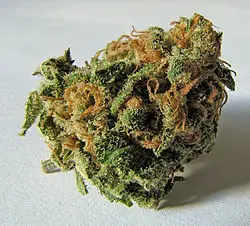
El sábado 19 de mayo, José Carlos Bouso, hablará sobre los usos, abusos y percepciones de riesgo del cannabis en el foro del cáñamo Expocannabis Sur. En esta entrevista, Bouso explica algunos efectos del canabbis en la salud y su posible aplicación en el tratamiento de distintas enfermedades.
DIAGONAL: ¿Es sostenible el argumento de que la política de prohibición e ilegalización de las drogas está relacionada con un problema de salud pública?
JOSÉ CARLOS BOUSO: La creación de este mito responde a razones históricas. Antes no eran un problema de salud pública, las drogas se vendían en farmacias o tenían libre acceso. Las primeras leyes reguladoras hacían que se necesitase prescripción médica para acceder a las drogas (hablo de heroína, cocaína o cannabis). A principios del siglo XX con el auge de la moral norteamericana, se empieza a asociar el uso de drogas con una moral disoluta. Es cuando comienza a considerarse que las drogas perjudican no la salud física del individuo sino la salud moral. En el caso concreto del cannabis y de la marihuana se asoció con grupos étnicos a quienes se relaciona con una serie de prácticas criminales, de forma que se termina asociando marihuana con criminalidad. Entonces se termina contruyendo un problema que no existe, un problema que sigue sin existir porque el cannabis nunca ha supuesto un problema de salud público para ningún Estado del planeta.
Las primeras leyes empiezan en 1912, y entonces comienzan las presiones por parte del gobierno norteamericano para implementar medidas prohibicionistas, primero con los convenios de 1961 sobre estupefacientes cuando se incluye a la hoja de coca, la heroína, y la marihuana y luego en dos revisiones de tratados, convirtiendo en prohibición planetaria en base originalmente a una problemática social que no lo era tanto, sino un deseo simplemente de regular la moral y las costumbres por parte del Gobierno norteamericano.
D.: ¿Cuál es la situación en estos momentos?
J.C.B.: Todavía no se ha establecido que pueda haber una relación clara de causalidad entre uso de cannabis y aparición de enfermedades mentales... A la vez está claro que las propiedades terapeúticas del cannabis son incuestionables, incluso hay fármacos basados en el cannabis o fármacos con THC como principio activo, que se usan habitualmente en terapéutica.
En estos momentos hay toda una red basada en la represión del consumo, con presupuestos astronómicos para tratar de reducir un problema que es inexistente y que es desproporcionadamente pequeño en comparación a los recursos que se emplean para tratar de solucionarlo. Estamos hablando de que la mitad de las detenciones y multas por consumo de drogas de 2008, según el Plan Nacional sobre Drogas, están relacionadas con el consumo de Cannabis. A la vez, las detenciones de alijo han disminuido en más de un 30%, mientras han aumentado notablemente detenciones y multas. Esto quiere decir que han disminuido las detenciones de los grandes narcos y se ha focalizado la represión en el pequeño consumidor, que termina soportando este sistema con sus multas.
D.: Usted ha divulgado estudios sobre las propiedades del Cannabis aplicada a enfermedades como el alzheimer ¿Puede resumir en qué estado se hayan estas líneas de investigación?
J.C.B.: A día de hoy no hay ninguna medicación que sea capaz de retardar el avance del Alzheimer más allá de un año o dos. Tampoco el THC es la panacea, ya que induce efectos psicológicos secundarios que no todos pacientes toleran bien. Cada vez hay más pruebas experimentales que demuestran que el CBD, que es otro de los compuestos del Cannabis, que no tiene efectos psicológicos, es decir no produce efectos subjetivos medibles, y además funciona como ansiolítico, y tampoco tiene efectos sobre la alteración de la memoria como tiene el THC, se está mostrando que tiene los mismos efectos que el THC en algunas patologías, entre ellas el Alzheimer.
Lo que pasa que a día de hoy la única investigación que se está haciendo es con animales. No hay un solo estudio, que yo sepa, en el que se esté probando el CBD en el tratamiento del Alzheimer, a pesar de que las pruebas en investigación animal son bastantes sorprendentes: reduce el deterioro cognitivo asociado al avance de la enfermedad; reduce los marcadores biológicos asociados a la enfermedad y reduce además la respuesta inmunitaria que viene asociada a las alteraciones neuronales que se producen como consecuencia de la enfermedad. Parece sorprendente que, conociéndose estos efectos desde hace por lo menos diez años, ninguna administración del mundo haya puesto en marcha recursos para poner a punto estudios que muestren en pacientes si esto puede ser beneficioso o no.
D.: ¿Y en el caso de la esquizofrenia?
J.C.B.: El cannabis se entiende que es un cofactor que puede desencadenar en un momento dado un brote psicótico en una persona, no es un factor causal pero sí puede en personas vulnerables disparar la enfermedad, pero el CBD de nuevo se ha comportado como un excelente antipsicótico.
Cada vez se van incrementando los estudios en los que estas propiedades antipsicóticas se ponen de manifiesto con los mismos efectos terapéuticos que tienen los antipsicóticos de nueva generación o atípicos y sin que se produzcan los efectos secundarios de estos atípicos. Cuando se han hecho estudios con consumidores a los que se ha cogido pelo se ha visto que quien tiene más concentraciones de CBD tienen menos síntomas de tipo psicóticos que aquellos que tienen niveles altos de THC.
D.: Recientemente ha publicado un artículo sobre cannabis y depresión en la revista Cáñamo, ¿qué conclusiones ha sacado de esta relación?
J.C.B: No hay pruebas concluyentes de que el cannabis facilite el desarrollo de ninguna enfermedad mental. Como digo, las pruebas más abundantes son las que lo relacionan como posible cofactor correlacional, que no causal, en personas vulnerables de desencadenar una psicosis, pero con la depresión las pruebas son poco contundentes. Hay algunos estudios en los que se ha observado que personas que fuman cannabis tienen más síntomas depresivos, pero tampoco se sabe si las personas que son más depresivas de antes y fuman cannabis como una especie de automedicación. Ahora se ha publicado un estudio que es lo que reseñé en ese artículo de Cáñamo, en el que se ha visto que es posible que personas que tienen un gen concreto transportador de serotonina, lo que se llama un gen corto, sean más vulnerables a padecer depresión si fuman marihuana. Entonces en principio solo estarían en riesgos estas personas, según este estudio. Es una investigación muy reciente y hay que contrastarlo. Dar un mensaje en relación con la depresión es arriesgado, no hay relación clara. Hay personas que les funcionan como antidepresivo, hay personas a las que puede aumentar síntomas, etc. En principio la relación es idisioncrática y no puede darse una pauta general.
Fuente:
The role of cannabinoids in prostate cancer: Basic science perspective and potential clinical applications

Abstract
Prostate cancer is a global public health problem, and it is the most common cancer in American men and the second cause for cancer-related death. Experimental evidence shows that prostate tissue possesses cannabinoid receptors and their stimulation results in anti-androgenic effects. To review currently relevant findings related to effects of cannabinoid receptors in prostate cancer. PubMed search utilizing the terms “cannabis,” “cannabinoids,” “prostate cancer,” and “cancer pain management,” giving preference to most recent publications was done. Articles identified were screened for their relevance to the field of prostate cancer and interest to both urologist and pain specialists. Prostate cancer cells possess increased expression of both cannabinoid 1 and 2 receptors, and stimulation of these results in decrease in cell viability, increased apoptosis, and decreased androgen receptor expression and prostate-specific antigen excretion. It would be of interest to conduct clinical studies utilizing cannabinoids for patients with metastatic prostate cancer, taking advantage not only of its beneficial effects on prostate cancer but also of their analgesic properties for bone metastatic cancer pain.
Keywords: Androgen antagonists, cannabis, cannabinoids, investigational therapies, prostatic neoplasms
INTRODUCTION
Prostate cancer is an established public health concern in modern society and has been for decades. It is the most common cancer in men (asides from non-melanoma skin cancer) and the second most common cause of cancer death in the United StatesEven with widespread screening with prostate-specific antigen (PSA), still 5% of cases present with metastatic lesions at the time of diagnosis. Because of all this, there is a fundamental necessity to search for and find new and novel treatments to this common pathology. Cannabis and cannabinoids have often been an issue of much polemics in the realm of science, but since the discovery of cannabinoid receptors in rat brain in the late 1980s, there has been a growing interest in the research of these compounds and our knowledge continues to expand. There has been experimental evidence that cannabinoids possess anti-androgenic proprieties; the purpose of this review is to describe in detail the effects, characteristics, and possible role of cannabis and cannabinoids in the subject of prostate cancer.
MATERIALS AND METHODS
A PubMed search was conducted for manuscripts published regardless of publication date, which contained the terms “cannabis,” “cannabinoids,” “prostate cancer,” and “cancer pain management,” giving preference to most recent publications. Articles identified were screened for their relevance to the field of prostate cancer and likely interest to both urologist and pain specialists. This review article focuses on the effects of cannabinoids in the realm of prostate cancer pathophysiology and their potential uses.
Prostate cancer is the most common cancer in American men except for non-melanoma skin cancer. In the United States, an estimated 217,730 cases will be diagnosed in 2010 and 32,050 deaths will occur.Its frequency has increased in part due to the widespread availability of serum PSA testing. Its incidence peaked in 1992, declined between 1992 and 1995, and has been rising about 1% annually since then until 2000-2006, since then incidence rates have declined by 2.4% per year, which may reflect recent stabilization of PSA testing.Widespread PSA use has led to an increasing proportion of prostate cancer cases that are localized at diagnosis, with fewer patients presenting with metastatic disease. As an example, between 1984 and 1991, 30–40% of men presented with advanced disease, and currently only 5% have distant metastases at the time of diagnosis.Prostate cancer remains the second most common cause of cancer death in American men.
Despite the fact that a higher percentage of men have localized disease at presentation, metastatic prostate cancer remains an important clinical problem, both in terms of the number of affected men and its impact on their quality of life. Hematogenous spread of prostate cancer cells is a common event. For these malignant cells, tumor growth preferentially occurs in bones of the axial skeleton. The most common site of metastasis is bone and frequently is symptomatic, causing pain, debility, and functional impairment.The presence of pain in men with advanced prostate cancer is an immediate indication for aggressive management with analgesics, while adequate treatments that address directly the cause of the pain are pursued.
Numerous treatment options have been established to treat bone metastatic prostate cancer; some focus on treating the underlying pathophysiology, while others focus on pain management and palliative care. Examples of the former are androgen deprivation therapy (ADT), being the initial approach in most cases, it alleviates pain from bone metastases to 80–90%. Second-line hormonal therapy with systemic chemotherapy with docetaxel and mitoxantrone, may be beneficial when the initial ADT regimen is no longer effective. More local modalities also considered in today's medical world are focal external beam radiation therapy, an excellent treatment choice for men with castrate-resistant prostate cancer and bone pain that is limited to one or a few sites, bone-targeted radioisotopes 89-strontium (89Sr) and 153-samarium (153Sm) for multiple blastic bone lesions, and radiofrequency ablation.
Role of cannabinoids in male physiology
Cannabis is a bushy plant with palmate leaves and clusters of small green flowers, and it grows wild in regions of tropical weather and can attain up to 3 m height. The genus Cannabis is complemented by sativa which translates to useful. Cannabis has indeed been used throughout history for a variety of purposes, including the production of fiber for paper and textile manufacture. However, its current popularity lies in its use as a recreational drug with psychoactive properties. The plant contains many chemical compounds that have different pharmacological properties, varying in quantity and quality depending on the strain, culture, and storage conditions.
In 1964, Mechoulam and colleagues found that delta-9-tetrahydrocannabinol (THC) was the major psychoactive ingredient of cannabis. However, the endocannabinoid signaling system has only been the focus of medical research and considered a potential therapeutic target in recent times.During the late 1980s Howlett and colleagues identified and characterized a receptor in rat brain that met criteria for a high-affinity, stereoselective, pharmacologically distinct cannabinoid receptor, by means of radiolabelled agonist ligand binding and functional assays for G-protein coupled receptors.
Two different cannabinoid receptors have been described from mammalian tissues: the “central” Cannabinoid 1 (CB1) receptor and the “peripheral” Cannabinoid 2 (CB2) receptor.
In the United States, cannabis has been illegal since 1937,] and currently 14 states (Alaska, California, Colorado, Hawaii, Maine, Michigan, Montana, Nevada, New Jersey, New Mexico, Oregon, Rhode Island, Vermont, and Washington) and DC have enacted laws that legalize medical marijuana, requiring it to be prescribed by physicians and being especially used to relieve AIDS patients treatment side effects. The frequently held view of cannabis and its related products as drugs of abuse have slowed progress in the development of studies designed to take advantage of the properties of cannabinoid derivatives for therapeutic purposes.
The antagonizing effect of cannabinoids in the male reproductive system and physiology can be dated to 1974 where experimental models in male rats showed depression of spermatogenesis and decrease in circulating testosterone levels. Chakravarty and colleaguesin 1980-1981 demonstrated how administration of cannabis reduced levels of fructose and citric acid, and decreased glucuronidase, glycosidase, and acid phosphatase levels in accessory reproductive organs of male rats, most of these which are regulated by circulating levels of testosterone, suggesting at the time a possible anti-androgenic effect of cannabis.
Current basic science research
In recent years, cannabinoids and their derivatives have drawn renewed attention due to the discovery of diverse pharmacologic activities such as cell growth inhibition, anti-inflammatory effects, and tumor regression.Focusing on prostate cancer, in 2005, Sarfaraz and colleagues showed that expression of both CB1 and CB2 receptors was significantly higher in cultured prostate cancer cells LNCaP, DUI45, PC3, CWR22Rr1, and CAHPV-10 when compared with normal prostate cells PZ-HPV-7 and PrEC. Data also show that treatment of LNCaP prostate cancer cells with cannabinoid CB1/CB2 agonist WIN-55,212-2 results in a significant dose- and time-dependent decrease in cell viability and increased apoptosis of the former at 24 and 48 hours, with no significant change in apoptosis of the normal prostate epithelial cells at similar doses. When the same cells were pretreated with cannabinoid receptor antagonists SR141716 (CB1 antagonist) or SR144528 (CB2 antagonist), the coadministration of WIN-55,212-2 had no effect on cell viability, exhibiting a significant protective effect. These data suggest that both CB1 and CB2 receptors may be involved in WIN-55,212-2-mediated growth inhibition and apoptosis.
Androgens are involved in the maintenance and progression of prostate cancer, where the androgen receptor is assumed to be the essential mediator for androgen action.Sarfaraz’ study also showed that stimulation of cannabinoid receptors resulted in a marked decrease in androgen receptor protein expression and a dose-dependent decrease in PSA expression and secreted PSA (secreted levels of PSA decreased by 30%, 53%, and 62 % at 5.0, 7.5, and 10 Amol/L, respectively) at 24 hours.PSA is considered as the most sensitive biomarker and screening tool for prostate cancer to date; its regulation is androgen-dependent.
On a future study, Sarfaraz and colleagues revealed the molecular bases for increased apoptosis and cell inhibition in prostate cancer cells treated with cannabinoid agonists, showing that treatment with WIN-55,212-2 resulted in arrest of the cells in the G0/G1 phase of the cell cycle; induction of p53 and p27/KIP1 genes; down-regulation of cyclins D1, D2, E; decrease in the expression of cdk-2, -4, and -6; and decrease in the protein expression of DP1and DP2. Curiously enough it was determined that high cannabinoid CB1 receptor immunoreactivity is associated with greater disease severity and poorer outcome in prostate cancer patients. In this study, 42% of the high CB1 receptor immunoreactivity group on prostate biopsy presented with Gleason scores of 8–10 when compared with 12% in the low CB1 receptor immunoreactivity. The incidence of metastases at diagnosis was also higher in the high CB1 receptor immunoreactivity (17%) than in the low group (5%). Patients with high CB1 receptor immunoreactivity showed a significantly worse survival rate than those with low CB1 receptor immunoreactivity (hazard ratio 2.51, with 95% confidence limits of 1.43–4.43; P < 0.05). A possible explanation for these results that is in synch with the cell line data is that the expression of CB1 receptors is regulated by the local endocannabinoid release. The author's conclusion in this scenario was that a low endocannabinoid tone would allow for an increased rate of proliferation, resulting in a compensatory increase in surface expression of CB1 receptors.
Cannabinoids in cancer pain management
Cannabinoid CB1 receptors are found mainly in the central nervous system and, in less abundance, in certain peripheral tissues.At the peripheral level, they are localized in the adrenal gland, adipose tissue, heart, liver, lung, prostate, uterus, ovary, testis, bone marrow, thymus, tonsils, and presynaptic nerve terminals. More significantly for the purposes of the present review, they are found at central and peripheral levels of the pain pathways. The distribution of cannabinoid receptors provides an anatomical explanation for the analgesic effects of the cannabinoids. Activation of presynaptic CB1 receptors in different brain regions or on primary afferents inhibits the release of neurotransmitters by decreasing calcium conductance and by increasing the conductance of potassium. Neurophysiological studies by Walker's laboratory first documented that cannabinoids suppress nociceptive processing.Cannabinoids, administered systemically, suppress activity of nociceptive neurons in the spinal dorsal horn and ventralposterior lateral nucleus of the thalamus, without altering the activity of purely non-nociceptive neurons.Stimulation-produced analgesia was blocked by the CB1 antagonist SR141716A, demonstrating mediation by the CB1 receptor.
Delta-9-THC is the substance with the greatest psychoactive potency of the natural cannabinoids and exhibits the greatest analgesic activity. Cannabidiol (CBD), another major constituent of the Cannabis sativa plant, has the same therapeutic effects of THC (analgesic, anti-inflammatory, and others), but with a different pharmacologic profile. Studies with CBD derivatives developed to inhibit peripheral pain responses and inflammation after binding to cannabinoid receptors have been described. Interestingly, some of these CBD derivatives did not have central nervous system effects, but maintained their antinociceptive and anti-inflammatory properties. This means that centrally inactive synthetic CBD analogues may be candidates for the development of analgesic and anti-inflammatory drugs for peripheral conditions without major central nervous system alterations of the sensorium.
In animal models of cancer bone pain, synthetic cannabinoids reduced hyperalgesia by a CB1 receptor-mediated effect and possibly at the peripheral CB2 receptor. In some models, cannabinoids were superiorly effective in cancer pain when compared with other pain types.
Clinical trials have shown that nonselective cannabinoid receptor agonists are relatively safe and therapeutically efficacious, however, inducing also psychotropic side effects.
Cannabinoid efficacy has also been studied clinically in cancer pain. Initial studies quantified the modest efficacy of oral 20 mg D9-THC equivalent to 120 mg codeine with some sedation, dizziness, and confusion.Recently in an observational study of patients with advanced cancer pain, nabilone reduced pain scores, total opioid requirements, and nausea. Nabilone did not significantly increase adverse effects compared with the control group, and this fact could be attributed to the concurrent decrease in opioid dose.
Uncontrolled pain can cause unnecessary suffering, decreased ability to cope with illness, interference with daily activities and extended hospital admissions, and decreasing overall quality of life. The usual approach to cancer pain management differs from physician to physician, but a well-known guideline is described in the World Health Organization's analgesic ladder:
Step 1 of the ladder is for patients with mild to moderate cancer-related pain. These should first be treated with acetaminophen or a nonsteroidal antiinflammatory agent (NSAID), possibly combined with an adjuvant drug that provides additional analgesia (i.e., an analgesic antidepressant drug for neuropathic pain), treats a side effect, or manages a coexisting symptom.
Step 2 describes patients with moderate or severe pain, including those who do not achieve adequate relief after a trial of an NSAID alone; these should be treated with an opioid.
The analgesic ladder promoted the doctrine of using an opioid of inferior analgesic properties (i.e., codeine as the prototype) to treat pain of moderate intensity on step 2 and strong opiates as morphine or hydromorphone for severe pain on step 3.
On both steps 2 and 3, combination therapy that includes an NSAID or other drugs to enhance analgesia or treat side effects is advocated.
The combination of two antinociceptive drugs acting through different specific receptor systems provides major benefits. When synergistic substances are given in combination, the required dose of each agent can be reduced to less than would be explained by mere addition of individual effects. The clinical benefit of this property is fundamental in analgesic treatments because effective pain relief can be achieved with minor, fewer, or no side effects.
Chronic pain is a difficult subject to approach both for the patient and the treating physician and, not uncommonly, leads to chronic opiate consumption and dependence.Physician and the patients both are left with less and less options, and eventually to resort to alternative modes of therapy. Cannabis has been documented to be one of such measures.
As with any therapeutic modality, adverse effects must be taken into account. A number of patients will suffer from these, although most of them will be present within the first days of treatment and attenuate as they adjust to the drug. Some effects described with cannabis use are short-term unsteadiness, dizziness, difficulty concentrating, drowsiness, dryness of the mouth, and/or headache. Chronic cannabis use does not produce serious cognitive disorders, as occurs with other substances such as alcohol, but it can aggravate preexisting mental disease. Therefore, treatment with cannabinoid receptor agonist with central actions may be contraindicated, in individuals predisposed to or with current psychiatric disorders. No human deaths associated to cannabis use have been reported.
DISCUSSION
Prostate cancer is a grave public health problem worldwide. Despite the fact that most cases currently present with localized disease at the time of diagnosis, about 5% of men still present with metastatic disease. The most common site of spread is bone, and these lesions are frequently symptomatic, causing pain, debility, and functional impairment. Many of these men do not have curative treatment options, and this remains a crucial clinical problem, both in terms of the number of men affected and its impact on their quality of life. For these reasons, it is fundamental to invest time and intellectual resources into finding new and novel targets for the treatment of prostate cancer.
It seems that the studies of Sarfaraz and colleagues lead to the direction that cannabinoids should be considered as agents for the management of prostate cancer, pending support from in vivo experiments. This would not only make sense from an anti-androgenic point of view but also for men with bone metastatic prostate cancer, perhaps from a pain management or palliative point of view. Among the patients suffering with chronic pain and receiving opioids, one in five abuse prescription controlled substances, and it is not difficult to see that opioid dependence and abuse is becoming a public health problem. Different methods of managing pain should be addressed to avoid these scenarios.
The presence of pain in men with advanced prostate cancer is an immediate indication for aggressive management with analgesics, while adequate treatments that address directly the cause of the pain are pursued.Cannabinoids possess attributes that have impact in both cancer pain and prostate cancer pathophysiology. These compounds harbor analgesic properties that aid bone cancer pain, reduce opioid consumption, side effects, and dependence, as well as exhibiting anti-androgenic effects on experimental prostate cancer cells.
CONCLUSION
Cannabis sativa and its main active component delta-9-THC have long been used for numerous purposes throughout history including medicinal, textile, and recreational. Since its legal banning in the United States in 1937, it has become an issue of taboo and controversy, frowned upon for its recreational uses and psychotropic effects. Nonetheless, the endocannabinoid signaling system has recently been the focus of medical research and considered a potential therapeutic target since the late 1980s when Howlett and colleagues identified and characterized the distinct cannabinoid receptor in rat brain. The antagonizing effect of cannabinoids in the male reproductive system and physiology can be dated to 1974 where experimental models in male rats showed depression of spermatogenesis and decrease in circulating testosterone levels. In 2005, Sarfaraz and colleagues showed increased expression of both CB1 and CB2 receptors in cultured prostate cancer cells when compared with normal prostate cells, treatment of prostate cancer cells with cannabinoid CB1/CB2 agonist WIN-55,212-2 results in a dose and time dependent decrease in cell viability ,and increased apoptosis along with decrease in androgen receptor protein expression, PSA expression, and secreted PSA, suggesting that cannabinoids should be considered as agents for the management of prostate cancer. If the hypothesis is supported by in vivo experiments. It is our conclusion that it would be of interest to conduct clinical trials involving medicinal cannabis or other cannabinoid agonists, comparing clinical markers such as PSA with controls, especially in men with bone metastatic prostate cancer, whom would not only benefit from the possible anti-androgenic effects of cannabinoids but also from analgesia of bone pain, improving quality of life, while reducing narcotic consumption and preventing opioid dependence.
Fuente:
Marijuana Use Not Associated With Residual Cognitive Decline Later In Life
Thursday, 12 January 2012
London, United Kingdom: Cannabis use does not appear to have residual adverse effects of cognition or memory, according to trial data published last week in the American Journal of Epidemiology.
![Marihuana: Estudios médicos, libros, etc.[2 parte]](https://storage.posteamelo.com/assets-adonis/assets/2015/08/22/marihuana-wJHME3OYrHF.webp "Marihuana: Estudios médicos, libros, etc.[2 parte]")
Researchers at the Kings College, School of Medicine in London investigated the prospective association between self-reported illicit drug use and cognitive functioning during the mid-adult years. A total of 8,992 participants who were surveyed at 42 years of age in the National Child Development Study (1999-2000) were included in the study.
Authors analyzed data on three cognitive functioning measures (memory index, executive functioning index, and overall cognitive index) when the participants were 50 years of age (2008-2009). Multivariable regression analyses were performed to estimate the association between different illicit drug use measures at 42 years of age and cognitive functioning at 50 years of age.
Investigators reported that those subjects who had used illegal drugs, primarily cannabis, as recently as in their 40s performed as well or slightly better on the tests than did their peers who had never used illicit substances.
The scientists concluded, "At the population level, it does not appear that current illicit drug use is associated with impaired cognitive functioning in early middle age. ... The lack of association between current illegal drug use and cognitive functioning also appears to be congruent with previous evidence showing the absence of a long-term residual effect of illicit drug use on cognition."
De todo
Por ultimo les voy a dejar una serie de PDFs, links, libros, etc.
PDF
http://americansforsafeaccess.org/downloads/AMA_Report_Executive_Summary.pdf
http://americansforsafeaccess.org/downloads/AMA_Report_Recommendations.pdf
Lester Grinspoon y la marihuana
Grinspoon es ampliamente conocido como el autor o coautor de varios cannabis / psicodélica relacionados con libros, incluyendo Marihuana Reconsidered (fechas de publicación 1971, 1977 y 1994 ), Psychedelic Drugs Reconsidered, Marihuana:La Medicina Prohibida y psicodélico Reflexiones. Los dos primeros fueron publicados durante la década de 1970, cuando parecía que el cannabis fue bien en su camino a la despenalización a nivel nacional en Estados Unidos . Marihuana: La Medicina Prohibida fue publicada en 1993. En él se describe una variedad de dolencias para las que puede ser la ingesta de cannabis indica. Grinspoon contribuyó con un capítulo que Jefferson Fish libro 's ¿Cómo legalizar las drogas .
http://www.questia.com/PM.qst?a=o&d=10655095
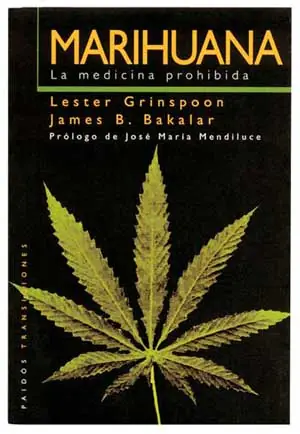
Link(review): http://books.google.com.ar/books?id=fIqjZyAC_MUC&printsec=frontcover&dq=marihuana+la+medicina+prohibida&hl=es&sa=X&ei=1iPIT6DaBYeO8wTo2JzwDg&ved=0CC8Q6AEwAA
Ensayo escrito por el doctor L. Grinspoon:
Links
Les dejo 2 links a paginas que les pueden interesar ya que desarrollan bastante el tema del cual se habla en este post
Fin del post!!
"No hay pruebas concluyentes de que el cannabis facilite el desarrollo de ninguna enfermedad mental"
El sábado 19 de mayo, José Carlos Bouso, hablará sobre los usos, abusos y percepciones de riesgo del cannabis en el foro del cáñamo Expocannabis Sur. En esta entrevista, Bouso explica algunos efectos del canabbis en la salud y su posible aplicación en el tratamiento de distintas enfermedades.
DIAGONAL: ¿Es sostenible el argumento de que la política de prohibición e ilegalización de las drogas está relacionada con un problema de salud pública?
JOSÉ CARLOS BOUSO: La creación de este mito responde a razones históricas. Antes no eran un problema de salud pública, las drogas se vendían en farmacias o tenían libre acceso. Las primeras leyes reguladoras hacían que se necesitase prescripción médica para acceder a las drogas (hablo de heroína, cocaína o cannabis). A principios del siglo XX con el auge de la moral norteamericana, se empieza a asociar el uso de drogas con una moral disoluta. Es cuando comienza a considerarse que las drogas perjudican no la salud física del individuo sino la salud moral. En el caso concreto del cannabis y de la marihuana se asoció con grupos étnicos a quienes se relaciona con una serie de prácticas criminales, de forma que se termina asociando marihuana con criminalidad. Entonces se termina contruyendo un problema que no existe, un problema que sigue sin existir porque el cannabis nunca ha supuesto un problema de salud público para ningún Estado del planeta.
Las primeras leyes empiezan en 1912, y entonces comienzan las presiones por parte del gobierno norteamericano para implementar medidas prohibicionistas, primero con los convenios de 1961 sobre estupefacientes cuando se incluye a la hoja de coca, la heroína, y la marihuana y luego en dos revisiones de tratados, convirtiendo en prohibición planetaria en base originalmente a una problemática social que no lo era tanto, sino un deseo simplemente de regular la moral y las costumbres por parte del Gobierno norteamericano.
D.: ¿Cuál es la situación en estos momentos?
J.C.B.: Todavía no se ha establecido que pueda haber una relación clara de causalidad entre uso de cannabis y aparición de enfermedades mentales... A la vez está claro que las propiedades terapeúticas del cannabis son incuestionables, incluso hay fármacos basados en el cannabis o fármacos con THC como principio activo, que se usan habitualmente en terapéutica.
En estos momentos hay toda una red basada en la represión del consumo, con presupuestos astronómicos para tratar de reducir un problema que es inexistente y que es desproporcionadamente pequeño en comparación a los recursos que se emplean para tratar de solucionarlo. Estamos hablando de que la mitad de las detenciones y multas por consumo de drogas de 2008, según el Plan Nacional sobre Drogas, están relacionadas con el consumo de Cannabis. A la vez, las detenciones de alijo han disminuido en más de un 30%, mientras han aumentado notablemente detenciones y multas. Esto quiere decir que han disminuido las detenciones de los grandes narcos y se ha focalizado la represión en el pequeño consumidor, que termina soportando este sistema con sus multas.
D.: Usted ha divulgado estudios sobre las propiedades del Cannabis aplicada a enfermedades como el alzheimer ¿Puede resumir en qué estado se hayan estas líneas de investigación?
J.C.B.: A día de hoy no hay ninguna medicación que sea capaz de retardar el avance del Alzheimer más allá de un año o dos. Tampoco el THC es la panacea, ya que induce efectos psicológicos secundarios que no todos pacientes toleran bien. Cada vez hay más pruebas experimentales que demuestran que el CBD, que es otro de los compuestos del Cannabis, que no tiene efectos psicológicos, es decir no produce efectos subjetivos medibles, y además funciona como ansiolítico, y tampoco tiene efectos sobre la alteración de la memoria como tiene el THC, se está mostrando que tiene los mismos efectos que el THC en algunas patologías, entre ellas el Alzheimer.
Lo que pasa que a día de hoy la única investigación que se está haciendo es con animales. No hay un solo estudio, que yo sepa, en el que se esté probando el CBD en el tratamiento del Alzheimer, a pesar de que las pruebas en investigación animal son bastantes sorprendentes: reduce el deterioro cognitivo asociado al avance de la enfermedad; reduce los marcadores biológicos asociados a la enfermedad y reduce además la respuesta inmunitaria que viene asociada a las alteraciones neuronales que se producen como consecuencia de la enfermedad. Parece sorprendente que, conociéndose estos efectos desde hace por lo menos diez años, ninguna administración del mundo haya puesto en marcha recursos para poner a punto estudios que muestren en pacientes si esto puede ser beneficioso o no.
D.: ¿Y en el caso de la esquizofrenia?
J.C.B.: El cannabis se entiende que es un cofactor que puede desencadenar en un momento dado un brote psicótico en una persona, no es un factor causal pero sí puede en personas vulnerables disparar la enfermedad, pero el CBD de nuevo se ha comportado como un excelente antipsicótico.
Cada vez se van incrementando los estudios en los que estas propiedades antipsicóticas se ponen de manifiesto con los mismos efectos terapéuticos que tienen los antipsicóticos de nueva generación o atípicos y sin que se produzcan los efectos secundarios de estos atípicos. Cuando se han hecho estudios con consumidores a los que se ha cogido pelo se ha visto que quien tiene más concentraciones de CBD tienen menos síntomas de tipo psicóticos que aquellos que tienen niveles altos de THC.
D.: Recientemente ha publicado un artículo sobre cannabis y depresión en la revista Cáñamo, ¿qué conclusiones ha sacado de esta relación?
J.C.B: No hay pruebas concluyentes de que el cannabis facilite el desarrollo de ninguna enfermedad mental. Como digo, las pruebas más abundantes son las que lo relacionan como posible cofactor correlacional, que no causal, en personas vulnerables de desencadenar una psicosis, pero con la depresión las pruebas son poco contundentes. Hay algunos estudios en los que se ha observado que personas que fuman cannabis tienen más síntomas depresivos, pero tampoco se sabe si las personas que son más depresivas de antes y fuman cannabis como una especie de automedicación. Ahora se ha publicado un estudio que es lo que reseñé en ese artículo de Cáñamo, en el que se ha visto que es posible que personas que tienen un gen concreto transportador de serotonina, lo que se llama un gen corto, sean más vulnerables a padecer depresión si fuman marihuana. Entonces en principio solo estarían en riesgos estas personas, según este estudio. Es una investigación muy reciente y hay que contrastarlo. Dar un mensaje en relación con la depresión es arriesgado, no hay relación clara. Hay personas que les funcionan como antidepresivo, hay personas a las que puede aumentar síntomas, etc. En principio la relación es idisioncrática y no puede darse una pauta general.
Fuente:
The role of cannabinoids in prostate cancer: Basic science perspective and potential clinical applications
Abstract
Prostate cancer is a global public health problem, and it is the most common cancer in American men and the second cause for cancer-related death. Experimental evidence shows that prostate tissue possesses cannabinoid receptors and their stimulation results in anti-androgenic effects. To review currently relevant findings related to effects of cannabinoid receptors in prostate cancer. PubMed search utilizing the terms “cannabis,” “cannabinoids,” “prostate cancer,” and “cancer pain management,” giving preference to most recent publications was done. Articles identified were screened for their relevance to the field of prostate cancer and interest to both urologist and pain specialists. Prostate cancer cells possess increased expression of both cannabinoid 1 and 2 receptors, and stimulation of these results in decrease in cell viability, increased apoptosis, and decreased androgen receptor expression and prostate-specific antigen excretion. It would be of interest to conduct clinical studies utilizing cannabinoids for patients with metastatic prostate cancer, taking advantage not only of its beneficial effects on prostate cancer but also of their analgesic properties for bone metastatic cancer pain.
Keywords: Androgen antagonists, cannabis, cannabinoids, investigational therapies, prostatic neoplasms
INTRODUCTION
Prostate cancer is an established public health concern in modern society and has been for decades. It is the most common cancer in men (asides from non-melanoma skin cancer) and the second most common cause of cancer death in the United StatesEven with widespread screening with prostate-specific antigen (PSA), still 5% of cases present with metastatic lesions at the time of diagnosis. Because of all this, there is a fundamental necessity to search for and find new and novel treatments to this common pathology. Cannabis and cannabinoids have often been an issue of much polemics in the realm of science, but since the discovery of cannabinoid receptors in rat brain in the late 1980s, there has been a growing interest in the research of these compounds and our knowledge continues to expand. There has been experimental evidence that cannabinoids possess anti-androgenic proprieties; the purpose of this review is to describe in detail the effects, characteristics, and possible role of cannabis and cannabinoids in the subject of prostate cancer.
MATERIALS AND METHODS
A PubMed search was conducted for manuscripts published regardless of publication date, which contained the terms “cannabis,” “cannabinoids,” “prostate cancer,” and “cancer pain management,” giving preference to most recent publications. Articles identified were screened for their relevance to the field of prostate cancer and likely interest to both urologist and pain specialists. This review article focuses on the effects of cannabinoids in the realm of prostate cancer pathophysiology and their potential uses.
Prostate cancer is the most common cancer in American men except for non-melanoma skin cancer. In the United States, an estimated 217,730 cases will be diagnosed in 2010 and 32,050 deaths will occur.Its frequency has increased in part due to the widespread availability of serum PSA testing. Its incidence peaked in 1992, declined between 1992 and 1995, and has been rising about 1% annually since then until 2000-2006, since then incidence rates have declined by 2.4% per year, which may reflect recent stabilization of PSA testing.Widespread PSA use has led to an increasing proportion of prostate cancer cases that are localized at diagnosis, with fewer patients presenting with metastatic disease. As an example, between 1984 and 1991, 30–40% of men presented with advanced disease, and currently only 5% have distant metastases at the time of diagnosis.Prostate cancer remains the second most common cause of cancer death in American men.
Despite the fact that a higher percentage of men have localized disease at presentation, metastatic prostate cancer remains an important clinical problem, both in terms of the number of affected men and its impact on their quality of life. Hematogenous spread of prostate cancer cells is a common event. For these malignant cells, tumor growth preferentially occurs in bones of the axial skeleton. The most common site of metastasis is bone and frequently is symptomatic, causing pain, debility, and functional impairment.The presence of pain in men with advanced prostate cancer is an immediate indication for aggressive management with analgesics, while adequate treatments that address directly the cause of the pain are pursued.
Numerous treatment options have been established to treat bone metastatic prostate cancer; some focus on treating the underlying pathophysiology, while others focus on pain management and palliative care. Examples of the former are androgen deprivation therapy (ADT), being the initial approach in most cases, it alleviates pain from bone metastases to 80–90%. Second-line hormonal therapy with systemic chemotherapy with docetaxel and mitoxantrone, may be beneficial when the initial ADT regimen is no longer effective. More local modalities also considered in today's medical world are focal external beam radiation therapy, an excellent treatment choice for men with castrate-resistant prostate cancer and bone pain that is limited to one or a few sites, bone-targeted radioisotopes 89-strontium (89Sr) and 153-samarium (153Sm) for multiple blastic bone lesions, and radiofrequency ablation.
Role of cannabinoids in male physiology
Cannabis is a bushy plant with palmate leaves and clusters of small green flowers, and it grows wild in regions of tropical weather and can attain up to 3 m height. The genus Cannabis is complemented by sativa which translates to useful. Cannabis has indeed been used throughout history for a variety of purposes, including the production of fiber for paper and textile manufacture. However, its current popularity lies in its use as a recreational drug with psychoactive properties. The plant contains many chemical compounds that have different pharmacological properties, varying in quantity and quality depending on the strain, culture, and storage conditions.
In 1964, Mechoulam and colleagues found that delta-9-tetrahydrocannabinol (THC) was the major psychoactive ingredient of cannabis. However, the endocannabinoid signaling system has only been the focus of medical research and considered a potential therapeutic target in recent times.During the late 1980s Howlett and colleagues identified and characterized a receptor in rat brain that met criteria for a high-affinity, stereoselective, pharmacologically distinct cannabinoid receptor, by means of radiolabelled agonist ligand binding and functional assays for G-protein coupled receptors.
Two different cannabinoid receptors have been described from mammalian tissues: the “central” Cannabinoid 1 (CB1) receptor and the “peripheral” Cannabinoid 2 (CB2) receptor.
In the United States, cannabis has been illegal since 1937,] and currently 14 states (Alaska, California, Colorado, Hawaii, Maine, Michigan, Montana, Nevada, New Jersey, New Mexico, Oregon, Rhode Island, Vermont, and Washington) and DC have enacted laws that legalize medical marijuana, requiring it to be prescribed by physicians and being especially used to relieve AIDS patients treatment side effects. The frequently held view of cannabis and its related products as drugs of abuse have slowed progress in the development of studies designed to take advantage of the properties of cannabinoid derivatives for therapeutic purposes.
The antagonizing effect of cannabinoids in the male reproductive system and physiology can be dated to 1974 where experimental models in male rats showed depression of spermatogenesis and decrease in circulating testosterone levels. Chakravarty and colleaguesin 1980-1981 demonstrated how administration of cannabis reduced levels of fructose and citric acid, and decreased glucuronidase, glycosidase, and acid phosphatase levels in accessory reproductive organs of male rats, most of these which are regulated by circulating levels of testosterone, suggesting at the time a possible anti-androgenic effect of cannabis.
Current basic science research
In recent years, cannabinoids and their derivatives have drawn renewed attention due to the discovery of diverse pharmacologic activities such as cell growth inhibition, anti-inflammatory effects, and tumor regression.Focusing on prostate cancer, in 2005, Sarfaraz and colleagues showed that expression of both CB1 and CB2 receptors was significantly higher in cultured prostate cancer cells LNCaP, DUI45, PC3, CWR22Rr1, and CAHPV-10 when compared with normal prostate cells PZ-HPV-7 and PrEC. Data also show that treatment of LNCaP prostate cancer cells with cannabinoid CB1/CB2 agonist WIN-55,212-2 results in a significant dose- and time-dependent decrease in cell viability and increased apoptosis of the former at 24 and 48 hours, with no significant change in apoptosis of the normal prostate epithelial cells at similar doses. When the same cells were pretreated with cannabinoid receptor antagonists SR141716 (CB1 antagonist) or SR144528 (CB2 antagonist), the coadministration of WIN-55,212-2 had no effect on cell viability, exhibiting a significant protective effect. These data suggest that both CB1 and CB2 receptors may be involved in WIN-55,212-2-mediated growth inhibition and apoptosis.
Androgens are involved in the maintenance and progression of prostate cancer, where the androgen receptor is assumed to be the essential mediator for androgen action.Sarfaraz’ study also showed that stimulation of cannabinoid receptors resulted in a marked decrease in androgen receptor protein expression and a dose-dependent decrease in PSA expression and secreted PSA (secreted levels of PSA decreased by 30%, 53%, and 62 % at 5.0, 7.5, and 10 Amol/L, respectively) at 24 hours.PSA is considered as the most sensitive biomarker and screening tool for prostate cancer to date; its regulation is androgen-dependent.
On a future study, Sarfaraz and colleagues revealed the molecular bases for increased apoptosis and cell inhibition in prostate cancer cells treated with cannabinoid agonists, showing that treatment with WIN-55,212-2 resulted in arrest of the cells in the G0/G1 phase of the cell cycle; induction of p53 and p27/KIP1 genes; down-regulation of cyclins D1, D2, E; decrease in the expression of cdk-2, -4, and -6; and decrease in the protein expression of DP1and DP2. Curiously enough it was determined that high cannabinoid CB1 receptor immunoreactivity is associated with greater disease severity and poorer outcome in prostate cancer patients. In this study, 42% of the high CB1 receptor immunoreactivity group on prostate biopsy presented with Gleason scores of 8–10 when compared with 12% in the low CB1 receptor immunoreactivity. The incidence of metastases at diagnosis was also higher in the high CB1 receptor immunoreactivity (17%) than in the low group (5%). Patients with high CB1 receptor immunoreactivity showed a significantly worse survival rate than those with low CB1 receptor immunoreactivity (hazard ratio 2.51, with 95% confidence limits of 1.43–4.43; P < 0.05). A possible explanation for these results that is in synch with the cell line data is that the expression of CB1 receptors is regulated by the local endocannabinoid release. The author's conclusion in this scenario was that a low endocannabinoid tone would allow for an increased rate of proliferation, resulting in a compensatory increase in surface expression of CB1 receptors.
Cannabinoids in cancer pain management
Cannabinoid CB1 receptors are found mainly in the central nervous system and, in less abundance, in certain peripheral tissues.At the peripheral level, they are localized in the adrenal gland, adipose tissue, heart, liver, lung, prostate, uterus, ovary, testis, bone marrow, thymus, tonsils, and presynaptic nerve terminals. More significantly for the purposes of the present review, they are found at central and peripheral levels of the pain pathways. The distribution of cannabinoid receptors provides an anatomical explanation for the analgesic effects of the cannabinoids. Activation of presynaptic CB1 receptors in different brain regions or on primary afferents inhibits the release of neurotransmitters by decreasing calcium conductance and by increasing the conductance of potassium. Neurophysiological studies by Walker's laboratory first documented that cannabinoids suppress nociceptive processing.Cannabinoids, administered systemically, suppress activity of nociceptive neurons in the spinal dorsal horn and ventralposterior lateral nucleus of the thalamus, without altering the activity of purely non-nociceptive neurons.Stimulation-produced analgesia was blocked by the CB1 antagonist SR141716A, demonstrating mediation by the CB1 receptor.
Delta-9-THC is the substance with the greatest psychoactive potency of the natural cannabinoids and exhibits the greatest analgesic activity. Cannabidiol (CBD), another major constituent of the Cannabis sativa plant, has the same therapeutic effects of THC (analgesic, anti-inflammatory, and others), but with a different pharmacologic profile. Studies with CBD derivatives developed to inhibit peripheral pain responses and inflammation after binding to cannabinoid receptors have been described. Interestingly, some of these CBD derivatives did not have central nervous system effects, but maintained their antinociceptive and anti-inflammatory properties. This means that centrally inactive synthetic CBD analogues may be candidates for the development of analgesic and anti-inflammatory drugs for peripheral conditions without major central nervous system alterations of the sensorium.
In animal models of cancer bone pain, synthetic cannabinoids reduced hyperalgesia by a CB1 receptor-mediated effect and possibly at the peripheral CB2 receptor. In some models, cannabinoids were superiorly effective in cancer pain when compared with other pain types.
Clinical trials have shown that nonselective cannabinoid receptor agonists are relatively safe and therapeutically efficacious, however, inducing also psychotropic side effects.
Cannabinoid efficacy has also been studied clinically in cancer pain. Initial studies quantified the modest efficacy of oral 20 mg D9-THC equivalent to 120 mg codeine with some sedation, dizziness, and confusion.Recently in an observational study of patients with advanced cancer pain, nabilone reduced pain scores, total opioid requirements, and nausea. Nabilone did not significantly increase adverse effects compared with the control group, and this fact could be attributed to the concurrent decrease in opioid dose.
Uncontrolled pain can cause unnecessary suffering, decreased ability to cope with illness, interference with daily activities and extended hospital admissions, and decreasing overall quality of life. The usual approach to cancer pain management differs from physician to physician, but a well-known guideline is described in the World Health Organization's analgesic ladder:
Step 1 of the ladder is for patients with mild to moderate cancer-related pain. These should first be treated with acetaminophen or a nonsteroidal antiinflammatory agent (NSAID), possibly combined with an adjuvant drug that provides additional analgesia (i.e., an analgesic antidepressant drug for neuropathic pain), treats a side effect, or manages a coexisting symptom.
Step 2 describes patients with moderate or severe pain, including those who do not achieve adequate relief after a trial of an NSAID alone; these should be treated with an opioid.
The analgesic ladder promoted the doctrine of using an opioid of inferior analgesic properties (i.e., codeine as the prototype) to treat pain of moderate intensity on step 2 and strong opiates as morphine or hydromorphone for severe pain on step 3.
On both steps 2 and 3, combination therapy that includes an NSAID or other drugs to enhance analgesia or treat side effects is advocated.
The combination of two antinociceptive drugs acting through different specific receptor systems provides major benefits. When synergistic substances are given in combination, the required dose of each agent can be reduced to less than would be explained by mere addition of individual effects. The clinical benefit of this property is fundamental in analgesic treatments because effective pain relief can be achieved with minor, fewer, or no side effects.
Chronic pain is a difficult subject to approach both for the patient and the treating physician and, not uncommonly, leads to chronic opiate consumption and dependence.Physician and the patients both are left with less and less options, and eventually to resort to alternative modes of therapy. Cannabis has been documented to be one of such measures.
As with any therapeutic modality, adverse effects must be taken into account. A number of patients will suffer from these, although most of them will be present within the first days of treatment and attenuate as they adjust to the drug. Some effects described with cannabis use are short-term unsteadiness, dizziness, difficulty concentrating, drowsiness, dryness of the mouth, and/or headache. Chronic cannabis use does not produce serious cognitive disorders, as occurs with other substances such as alcohol, but it can aggravate preexisting mental disease. Therefore, treatment with cannabinoid receptor agonist with central actions may be contraindicated, in individuals predisposed to or with current psychiatric disorders. No human deaths associated to cannabis use have been reported.
DISCUSSION
Prostate cancer is a grave public health problem worldwide. Despite the fact that most cases currently present with localized disease at the time of diagnosis, about 5% of men still present with metastatic disease. The most common site of spread is bone, and these lesions are frequently symptomatic, causing pain, debility, and functional impairment. Many of these men do not have curative treatment options, and this remains a crucial clinical problem, both in terms of the number of men affected and its impact on their quality of life. For these reasons, it is fundamental to invest time and intellectual resources into finding new and novel targets for the treatment of prostate cancer.
It seems that the studies of Sarfaraz and colleagues lead to the direction that cannabinoids should be considered as agents for the management of prostate cancer, pending support from in vivo experiments. This would not only make sense from an anti-androgenic point of view but also for men with bone metastatic prostate cancer, perhaps from a pain management or palliative point of view. Among the patients suffering with chronic pain and receiving opioids, one in five abuse prescription controlled substances, and it is not difficult to see that opioid dependence and abuse is becoming a public health problem. Different methods of managing pain should be addressed to avoid these scenarios.
The presence of pain in men with advanced prostate cancer is an immediate indication for aggressive management with analgesics, while adequate treatments that address directly the cause of the pain are pursued.Cannabinoids possess attributes that have impact in both cancer pain and prostate cancer pathophysiology. These compounds harbor analgesic properties that aid bone cancer pain, reduce opioid consumption, side effects, and dependence, as well as exhibiting anti-androgenic effects on experimental prostate cancer cells.
CONCLUSION
Cannabis sativa and its main active component delta-9-THC have long been used for numerous purposes throughout history including medicinal, textile, and recreational. Since its legal banning in the United States in 1937, it has become an issue of taboo and controversy, frowned upon for its recreational uses and psychotropic effects. Nonetheless, the endocannabinoid signaling system has recently been the focus of medical research and considered a potential therapeutic target since the late 1980s when Howlett and colleagues identified and characterized the distinct cannabinoid receptor in rat brain. The antagonizing effect of cannabinoids in the male reproductive system and physiology can be dated to 1974 where experimental models in male rats showed depression of spermatogenesis and decrease in circulating testosterone levels. In 2005, Sarfaraz and colleagues showed increased expression of both CB1 and CB2 receptors in cultured prostate cancer cells when compared with normal prostate cells, treatment of prostate cancer cells with cannabinoid CB1/CB2 agonist WIN-55,212-2 results in a dose and time dependent decrease in cell viability ,and increased apoptosis along with decrease in androgen receptor protein expression, PSA expression, and secreted PSA, suggesting that cannabinoids should be considered as agents for the management of prostate cancer. If the hypothesis is supported by in vivo experiments. It is our conclusion that it would be of interest to conduct clinical trials involving medicinal cannabis or other cannabinoid agonists, comparing clinical markers such as PSA with controls, especially in men with bone metastatic prostate cancer, whom would not only benefit from the possible anti-androgenic effects of cannabinoids but also from analgesia of bone pain, improving quality of life, while reducing narcotic consumption and preventing opioid dependence.
Fuente:
Marijuana Use Not Associated With Residual Cognitive Decline Later In Life
Thursday, 12 January 2012
London, United Kingdom: Cannabis use does not appear to have residual adverse effects of cognition or memory, according to trial data published last week in the American Journal of Epidemiology.
Researchers at the Kings College, School of Medicine in London investigated the prospective association between self-reported illicit drug use and cognitive functioning during the mid-adult years. A total of 8,992 participants who were surveyed at 42 years of age in the National Child Development Study (1999-2000) were included in the study.
Authors analyzed data on three cognitive functioning measures (memory index, executive functioning index, and overall cognitive index) when the participants were 50 years of age (2008-2009). Multivariable regression analyses were performed to estimate the association between different illicit drug use measures at 42 years of age and cognitive functioning at 50 years of age.
Investigators reported that those subjects who had used illegal drugs, primarily cannabis, as recently as in their 40s performed as well or slightly better on the tests than did their peers who had never used illicit substances.
The scientists concluded, "At the population level, it does not appear that current illicit drug use is associated with impaired cognitive functioning in early middle age. ... The lack of association between current illegal drug use and cognitive functioning also appears to be congruent with previous evidence showing the absence of a long-term residual effect of illicit drug use on cognition."
De todo
Por ultimo les voy a dejar una serie de PDFs, links, libros, etc.
http://americansforsafeaccess.org/downloads/AMA_Report_Executive_Summary.pdf
http://americansforsafeaccess.org/downloads/AMA_Report_Recommendations.pdf
Lester Grinspoon y la marihuana
Grinspoon es ampliamente conocido como el autor o coautor de varios cannabis / psicodélica relacionados con libros, incluyendo Marihuana Reconsidered (fechas de publicación 1971, 1977 y 1994 ), Psychedelic Drugs Reconsidered, Marihuana:La Medicina Prohibida y psicodélico Reflexiones. Los dos primeros fueron publicados durante la década de 1970, cuando parecía que el cannabis fue bien en su camino a la despenalización a nivel nacional en Estados Unidos . Marihuana: La Medicina Prohibida fue publicada en 1993. En él se describe una variedad de dolencias para las que puede ser la ingesta de cannabis indica. Grinspoon contribuyó con un capítulo que Jefferson Fish libro 's ¿Cómo legalizar las drogas .
http://www.questia.com/PM.qst?a=o&d=10655095
Link(review): http://books.google.com.ar/books?id=fIqjZyAC_MUC&printsec=frontcover&dq=marihuana+la+medicina+prohibida&hl=es&sa=X&ei=1iPIT6DaBYeO8wTo2JzwDg&ved=0CC8Q6AEwAA
Ensayo escrito por el doctor L. Grinspoon:
Links
Les dejo 2 links a paginas que les pueden interesar ya que desarrollan bastante el tema del cual se habla en este post
Fin del post!!