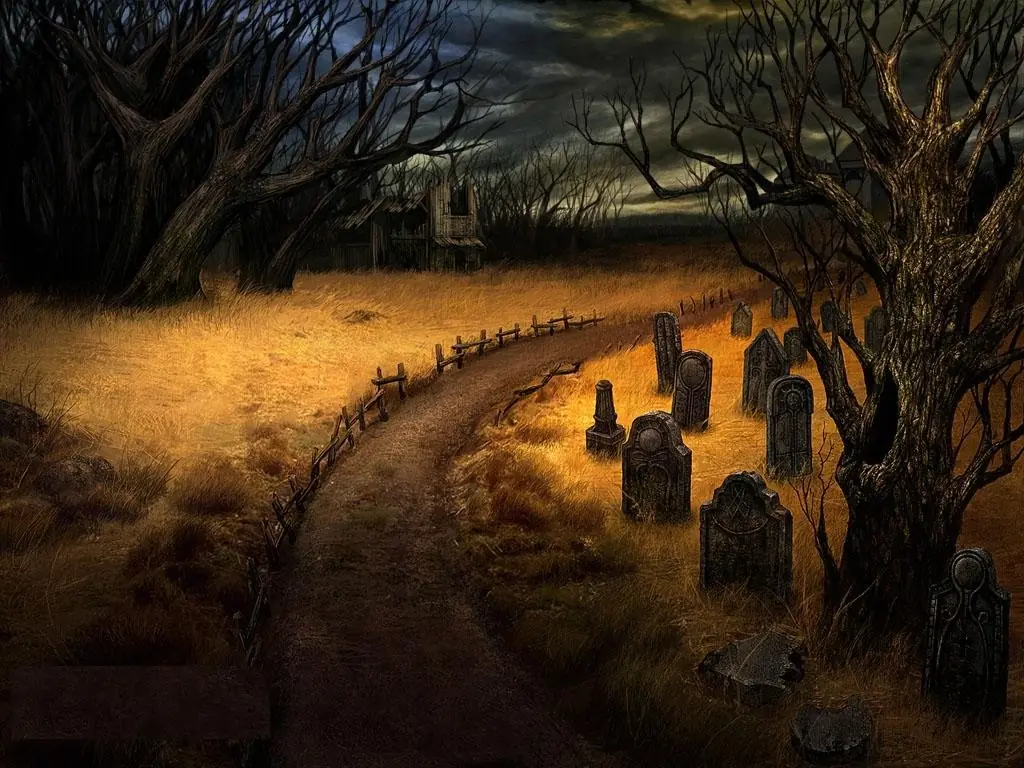
Halloween o Noche de Brujas es una fiesta que se celebra principalmente en Estados Unidos en la noche del 31 de octubre. Tiene origen en la festividad celta del Samhain y la festividad cristiana del Día de todos los santos.
La palabra Halloween (AFI /ˌhæl.əʊˈiːn/) es una derivación de la expresión inglesa All Hallows' Eve (Víspera de Todos los Santos). Se celebraba en los países anglosajones, principalmente en Canadá, Estados Unidos, Irlanda y el Reino Unido. La fuerza expansiva de la cultura de EE. UU. ha hecho que Halloween se haya popularizado también en otros países occidentales.
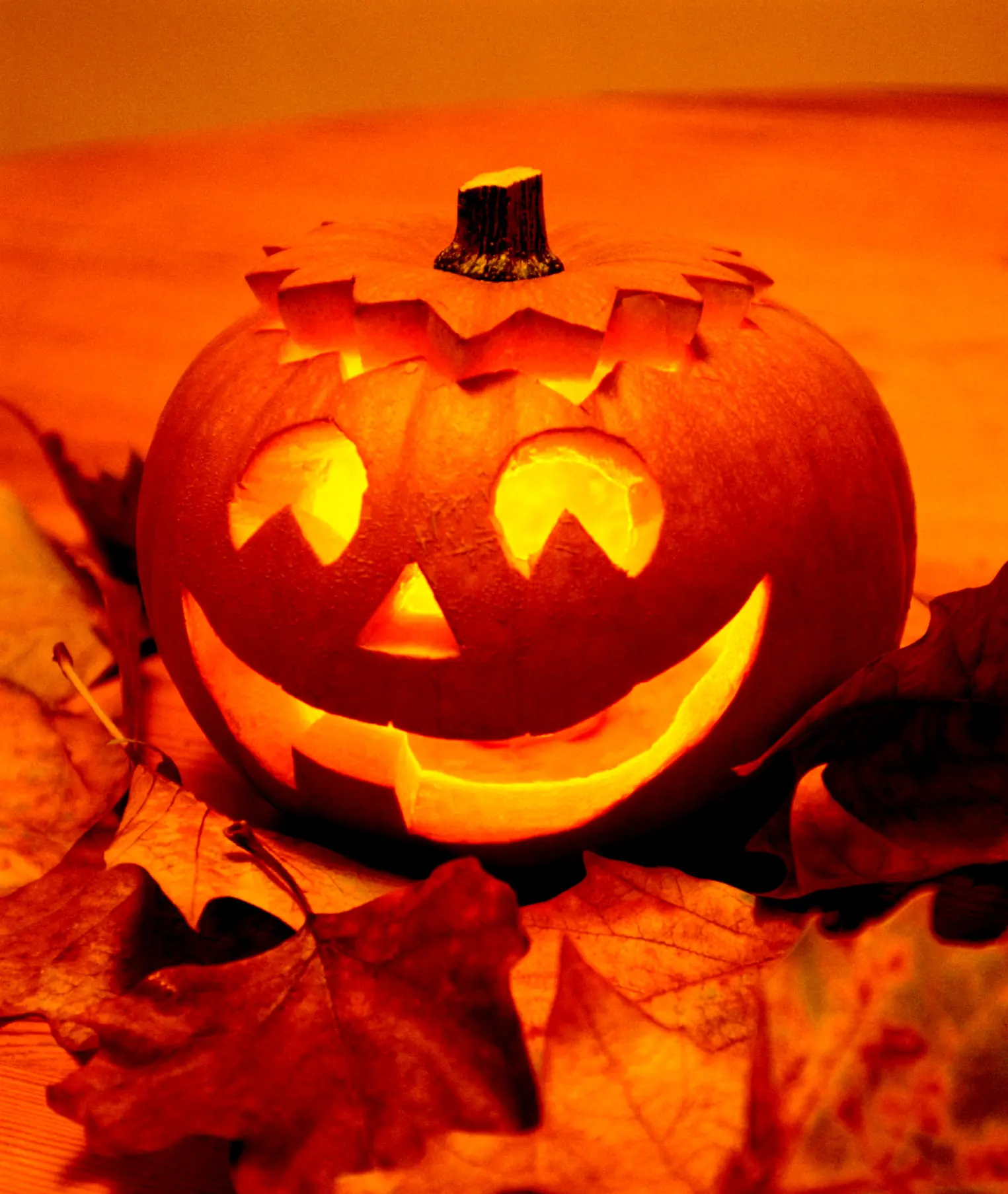
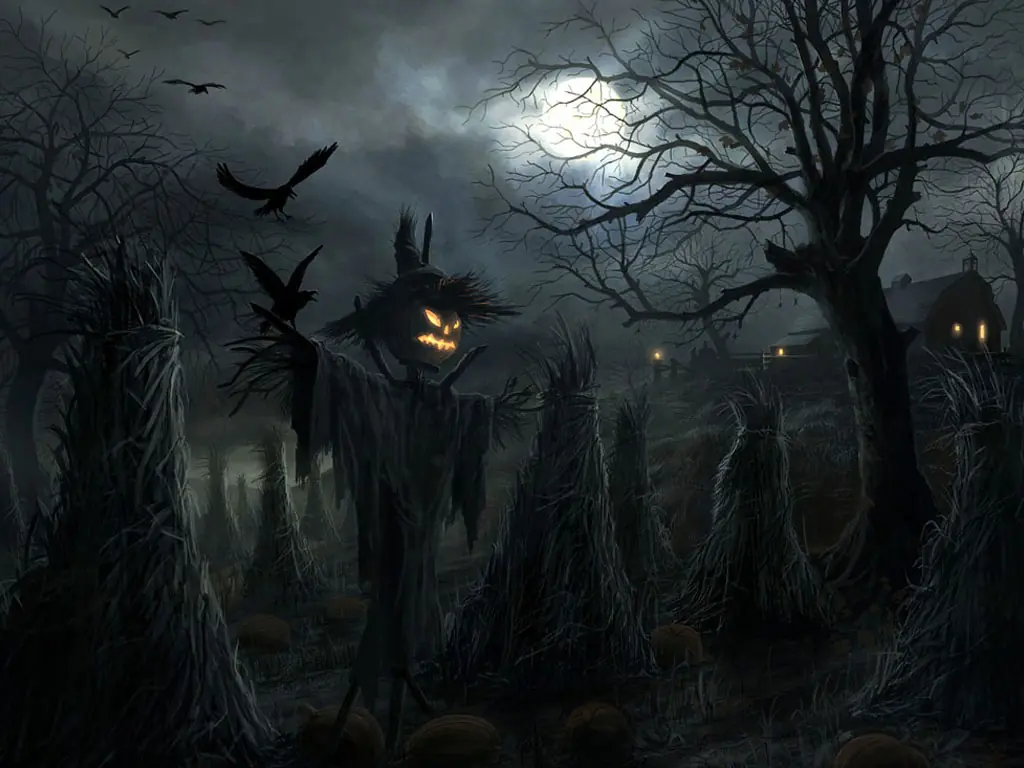
El día se asocia a menudo con los colores naranja y negro y está fuertemente ligado a símbolos como la Jack-o'-lantern. Las actividades típicas de Halloween son el famoso truco o trato y las fiestas de disfraces, además de las hogueras, la visita de casas encantadas, las bromas, la lectura historias de miedo y el visionado películas de terror.
La palabra Halloween (AFI /ˌhæl.əʊˈiːn/) es una derivación de la expresión inglesa All Hallows' Eve (Víspera de Todos los Santos). Se celebraba en los países anglosajones, principalmente en Canadá, Estados Unidos, Irlanda y el Reino Unido. La fuerza expansiva de la cultura de EE. UU. ha hecho que Halloween se haya popularizado también en otros países occidentales.
El día se asocia a menudo con los colores naranja y negro y está fuertemente ligado a símbolos como la Jack-o'-lantern. Las actividades típicas de Halloween son el famoso truco o trato y las fiestas de disfraces, además de las hogueras, la visita de casas encantadas, las bromas, la lectura historias de miedo y el visionado películas de terror.
HISTORIA
Origen celta
Halloween tiene su origen en una festividad céltica conocida como Samhain, que deriva de irlandés antiguo y significa fin del verano.
Los antiguos britanos tenían una festividad similar conocida como Calan Gaeaf. En el Samhain se celebraba el final de la temporada de cosechas en la cultura celta y era considerada como el “Año Nuevo Celta”, que comenzaba con la estación oscura.
Los antiguos celtas creían que la línea que une a este mundo con el Otro Mundo se estrechaba con la llegada del Samhain, permitiendo a los espíritus (tanto benévolos como malévolos) pasar a través. Los ancestros familiares eran invitados y homenajeados mientras que los espíritus dañinos eran alejados. Se cree que el uso de trajes y máscaras se debe a la necesidad de ahuyentar a los espíritus malignos. Su propósito era adoptar la apariencia de un espíritu maligno para evitar ser dañado. En Escocia los espíritus fueron suplantados por hombres jóvenes vestidos de blanco con máscaras o la cara pintada de negro.
Origen celta
Halloween tiene su origen en una festividad céltica conocida como Samhain, que deriva de irlandés antiguo y significa fin del verano.
Los antiguos britanos tenían una festividad similar conocida como Calan Gaeaf. En el Samhain se celebraba el final de la temporada de cosechas en la cultura celta y era considerada como el “Año Nuevo Celta”, que comenzaba con la estación oscura.
Los antiguos celtas creían que la línea que une a este mundo con el Otro Mundo se estrechaba con la llegada del Samhain, permitiendo a los espíritus (tanto benévolos como malévolos) pasar a través. Los ancestros familiares eran invitados y homenajeados mientras que los espíritus dañinos eran alejados. Se cree que el uso de trajes y máscaras se debe a la necesidad de ahuyentar a los espíritus malignos. Su propósito era adoptar la apariencia de un espíritu maligno para evitar ser dañado. En Escocia los espíritus fueron suplantados por hombres jóvenes vestidos de blanco con máscaras o la cara pintada de negro.
LA FESTIVIDAD LLEGA A ESTADOS UNIDOS
En 1840 esta festividad llega a Estados Unidos, donde queda fuertemente arraigada. Los inmigrantes irlandeses transmitieron versiones de la tradición durante la Gran hambruna irlandesa. Fueron ellos quienes difundieron la costumbre de tallar los "Jack-o'-lantern" (calabaza gigante hueca con una vela dentro).
La internacionalización del Halloween se produjo a finales de los años 70 y principios de los 80 gracias al cine y a las series de televisión. En 1978, se estrenaba en EEUU y en el mundo entero La Noche de Halloween, de John Carpenter; una película ambientada en la víspera de Todos los Santos que supuso una referencia para el cine de terror de serie B; con innumerables secuelas e imitaciones.
En 1840 esta festividad llega a Estados Unidos, donde queda fuertemente arraigada. Los inmigrantes irlandeses transmitieron versiones de la tradición durante la Gran hambruna irlandesa. Fueron ellos quienes difundieron la costumbre de tallar los "Jack-o'-lantern" (calabaza gigante hueca con una vela dentro).
La internacionalización del Halloween se produjo a finales de los años 70 y principios de los 80 gracias al cine y a las series de televisión. En 1978, se estrenaba en EEUU y en el mundo entero La Noche de Halloween, de John Carpenter; una película ambientada en la víspera de Todos los Santos que supuso una referencia para el cine de terror de serie B; con innumerables secuelas e imitaciones.
ACTUALIDAD
Hoy en día Halloween es una de las fechas más importantes del calendario festivo estadounidense y canadiense. Algunos países latinoamericanos, conociendo aún esta festividad, tienen sus propias tradiciones y celebraciones ese mismo día, aunque coinciden en cuanto a su significado: la unión o extrema cercanía del mundo de los vivos y el reino de los muertos. Otros países latinoamericanos, como la Argentina, entienden Halloween como una festividad característica del mundo anglosajón, y no dan ninguna importancia a la fecha.
En Europa son muchas las ciudades en las que los jóvenes han decidido importar el modo con el que Estados Unidos concibe Halloween —celebrándolo con fiestas y disfraces. Aunque en algunos lugares, como Inglaterra, la fiesta original ha arraigado de nuevo.
El hecho de que esta fiesta haya llegado hasta nuestros días es, en cierta medida, gracias al enorme despliegue comercial y la publicidad engendrada en el cine estadounidense. La imagen de niños norteamericanos correteando por las oscuras calles disfrazados de duendes, fantasmas y demonios, pidiendo dulces y golosinas a los habitantes de un oscuro y tranquilo barrio, ha quedado grabada en la mente de muchas personas.
Hoy en día Halloween es una de las fechas más importantes del calendario festivo estadounidense y canadiense. Algunos países latinoamericanos, conociendo aún esta festividad, tienen sus propias tradiciones y celebraciones ese mismo día, aunque coinciden en cuanto a su significado: la unión o extrema cercanía del mundo de los vivos y el reino de los muertos. Otros países latinoamericanos, como la Argentina, entienden Halloween como una festividad característica del mundo anglosajón, y no dan ninguna importancia a la fecha.
En Europa son muchas las ciudades en las que los jóvenes han decidido importar el modo con el que Estados Unidos concibe Halloween —celebrándolo con fiestas y disfraces. Aunque en algunos lugares, como Inglaterra, la fiesta original ha arraigado de nuevo.
El hecho de que esta fiesta haya llegado hasta nuestros días es, en cierta medida, gracias al enorme despliegue comercial y la publicidad engendrada en el cine estadounidense. La imagen de niños norteamericanos correteando por las oscuras calles disfrazados de duendes, fantasmas y demonios, pidiendo dulces y golosinas a los habitantes de un oscuro y tranquilo barrio, ha quedado grabada en la mente de muchas personas.
LEYENDAS Y COSTUMBRES DEL HALLOWEEN
Se dice que la noche de Halloween, la puerta que separaba el mundo de los vivos del Más Allá se abría y los espíritus de los difuntos hacían una procesión en los pueblos en los que vivían.
En esa noche los espíritus visitaban las casas de sus familiares, y para que los espíritus no les perturbasen los aldeanos debían poner una vela en la ventana de su casa por cada difunto que hubiese en la familia. Si había una vela en recuerdo de cada difunto los espíritus no molestaban a sus familiares, si no era así los espíritus les perturbaban por la noche y les hacían caer entre terribles pesadillas.
Se dice que la noche de Halloween, la puerta que separaba el mundo de los vivos del Más Allá se abría y los espíritus de los difuntos hacían una procesión en los pueblos en los que vivían.
En esa noche los espíritus visitaban las casas de sus familiares, y para que los espíritus no les perturbasen los aldeanos debían poner una vela en la ventana de su casa por cada difunto que hubiese en la familia. Si había una vela en recuerdo de cada difunto los espíritus no molestaban a sus familiares, si no era así los espíritus les perturbaban por la noche y les hacían caer entre terribles pesadillas.
TRUCO O TRATO
Originalmente el Truco o trato (en inglés "Trick-or-treat" era una leyenda popular de origen céltico según la cual no solo los espíritus de los difuntos eran libres de vagar por la Tierra la noche de Halloween, sino toda clase de entes procedentes de todos los reinos espirituales. Entre ellos había uno terriblemente malévolo que deambulaba por pueblos y aldeas, yendo de casa en casa pidiendo precisamente "truco o trato". La leyenda asegura que lo mejor era hacer trato, sin importar el costo que éste tuviera, pues de no pactar con este espíritu (que recibiría el nombre de Jack O'Lantern, con el que se conocen a las tradicionales calabazas de Halloween) él usaría sus poderes para hacer "truco", que consistiría en maldecir la casa y a sus habitantes, dándoles toda clase de infortunios y maldiciones como enfermar a la familia, matar al ganado con pestes o hasta quemar la propia vivienda. Como protección surgió la idea de crear en las calabazas formas horrendas, para así evitar encontrarse con dicho espectro (y con el tiempo, debido a la asociación mental entre el espíritu y las calabazas.
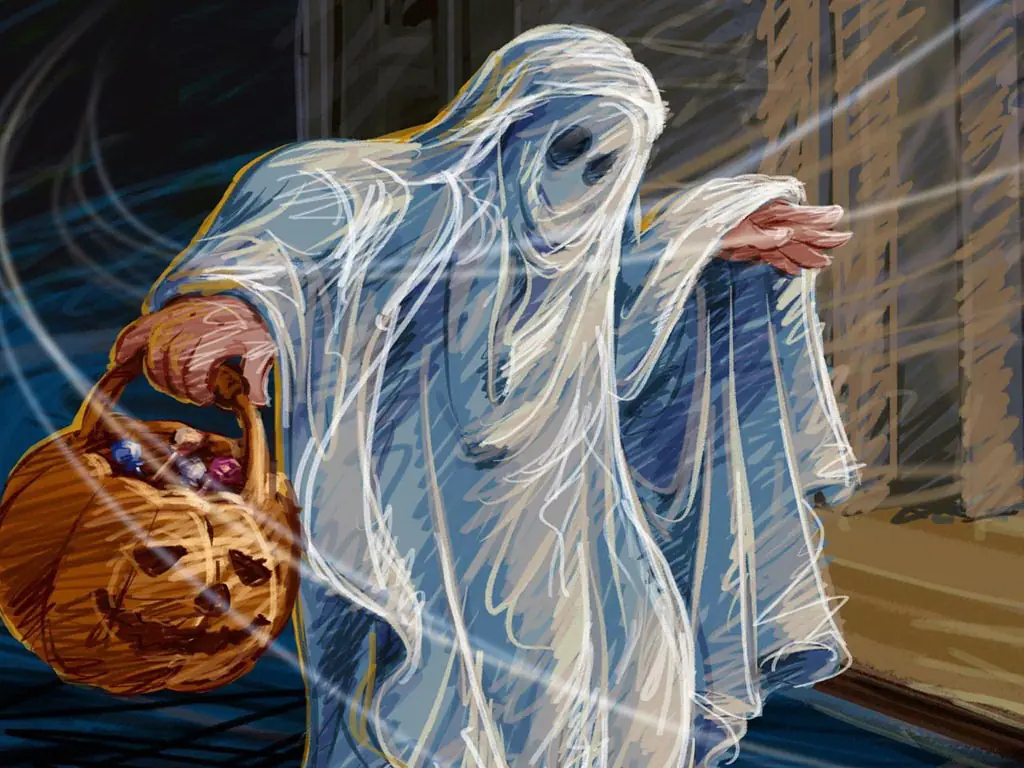
En la actualidad, los niños se disfrazan para la ocasión y pasean por las calles pidiendo dulces de puerta en puerta. Después de llamar a la puerta los niños pronuncian la frase "truco o trato", "truco o dulce" o "travesura o dulce" (proveniente de la expresión inglesa trick or treat). Si los adultos les dan caramelos, dinero o cualquier otro tipo de recompensa, se interpreta que han aceptado el trato. Si por el contrario se niegan, los chicos les gastarán una pequeña broma, siendo la más común arrojar huevos o espuma de afeitar contra la puerta.
Originalmente el Truco o trato (en inglés "Trick-or-treat" era una leyenda popular de origen céltico según la cual no solo los espíritus de los difuntos eran libres de vagar por la Tierra la noche de Halloween, sino toda clase de entes procedentes de todos los reinos espirituales. Entre ellos había uno terriblemente malévolo que deambulaba por pueblos y aldeas, yendo de casa en casa pidiendo precisamente "truco o trato". La leyenda asegura que lo mejor era hacer trato, sin importar el costo que éste tuviera, pues de no pactar con este espíritu (que recibiría el nombre de Jack O'Lantern, con el que se conocen a las tradicionales calabazas de Halloween) él usaría sus poderes para hacer "truco", que consistiría en maldecir la casa y a sus habitantes, dándoles toda clase de infortunios y maldiciones como enfermar a la familia, matar al ganado con pestes o hasta quemar la propia vivienda. Como protección surgió la idea de crear en las calabazas formas horrendas, para así evitar encontrarse con dicho espectro (y con el tiempo, debido a la asociación mental entre el espíritu y las calabazas.


En la actualidad, los niños se disfrazan para la ocasión y pasean por las calles pidiendo dulces de puerta en puerta. Después de llamar a la puerta los niños pronuncian la frase "truco o trato", "truco o dulce" o "travesura o dulce" (proveniente de la expresión inglesa trick or treat). Si los adultos les dan caramelos, dinero o cualquier otro tipo de recompensa, se interpreta que han aceptado el trato. Si por el contrario se niegan, los chicos les gastarán una pequeña broma, siendo la más común arrojar huevos o espuma de afeitar contra la puerta.
Jack O'Lantern
El origen de las famosas calabazas talladas deviene de una leyenda de origen celta (a caballo entre Irlanda y Escocia) sobre Jack "El Tacaño" (Stingy Jack en el original inglés), un granjero que engañaba y mentía a vecinos y amigos. Esta conducta le consiguió toda clase de enemistades pero también una reputación de persona tan malvada que rivalizaría con el mismísimo Satanás.
El Diablo, a quien llegó el rumor de tan negra alma, acudió a comprobar si efectivamente era un rival de semejante calibre. Disfrazado como un hombre normal acudió al pueblo de éste y se puso a beber con él durante largas horas, revelando su identidad tras ver que en efecto era un auténtico malvado. Cuando Lucifer le dijo que venía a llevárselo para pagar por sus pecados, Jack le pidió una ronda más juntos como última voluntad. El Diablo se lo concedió pero al ir a pagar ninguno de los dos tenía dinero, así que Jack retó a Lucifer a convertirse en una moneda para pagar la ronda y demostrar sus poderes. Satanás lo hizo, pero en lugar de pagar con la moneda Jack la metió en su bolsillo, donde llevaba un crucifijo de plata. Incapaz de salir de allí el Diablo ordenó al granjero que le dejara libre, pero Jack no lo haría a menos que prometiera volver al infierno para no molestarle durante un año.
Transcurrido ese tiempo, el Diablo apareció de nuevo en casa de Jack para llevárselo al inframundo pero de nuevo Jack pidió un último deseo, en este caso que el Diablo cogiera una manzana situada en lo alto de un árbol para así tener su última comida antes de su tormento. Lucifer accedió, pero cuando estaba en el árbol Jack talló una cruz en su tronco para que no pudiera escapar. En esta ocasión Jack le pidió no ser molestado en diez años, además de otra condición: que nunca pudiera reclamar su alma para el inframundo. Satanás accedió y Jack se vio libre de su amenaza.
Su destino no fue mejor: tras morir (mucho antes de esos diez años pactados), Jack se preparaba para ir al cielo pero fue detenido en las puertas de San Pedro, impidiéndosele el paso pues no podían aceptarle por su mala vida pasada, siendo enviado al infierno. Para su desgracia allí tampoco podían aceptarlo debido al trato que había realizado con el Diablo, y éste le expulsó de su reino y le condenó a deambular por los caminos con un nabo hueco con un carbón ardiendo dentro como única luz que guiara su eterno vagar entre los reinos del bien y del mal. Con el paso del tiempo Jack el Tacaño fue conocido como Jack el de la Linterna o "Jack of the Lantern", nombre que se abrevió al definitivo "Jack O'Lantern". Esta es la razón de usar nabos (y más tarde calabazas, al ser más grandes y fáciles de tallar) para alumbrar el camino a los difuntos en Halloween, y también el motivo de decorar las casas con estas figuras horrendas (para evitar que Jack llamara a la puerta de las casas y proponer Truco o trato).
El origen de las famosas calabazas talladas deviene de una leyenda de origen celta (a caballo entre Irlanda y Escocia) sobre Jack "El Tacaño" (Stingy Jack en el original inglés), un granjero que engañaba y mentía a vecinos y amigos. Esta conducta le consiguió toda clase de enemistades pero también una reputación de persona tan malvada que rivalizaría con el mismísimo Satanás.
El Diablo, a quien llegó el rumor de tan negra alma, acudió a comprobar si efectivamente era un rival de semejante calibre. Disfrazado como un hombre normal acudió al pueblo de éste y se puso a beber con él durante largas horas, revelando su identidad tras ver que en efecto era un auténtico malvado. Cuando Lucifer le dijo que venía a llevárselo para pagar por sus pecados, Jack le pidió una ronda más juntos como última voluntad. El Diablo se lo concedió pero al ir a pagar ninguno de los dos tenía dinero, así que Jack retó a Lucifer a convertirse en una moneda para pagar la ronda y demostrar sus poderes. Satanás lo hizo, pero en lugar de pagar con la moneda Jack la metió en su bolsillo, donde llevaba un crucifijo de plata. Incapaz de salir de allí el Diablo ordenó al granjero que le dejara libre, pero Jack no lo haría a menos que prometiera volver al infierno para no molestarle durante un año.
Transcurrido ese tiempo, el Diablo apareció de nuevo en casa de Jack para llevárselo al inframundo pero de nuevo Jack pidió un último deseo, en este caso que el Diablo cogiera una manzana situada en lo alto de un árbol para así tener su última comida antes de su tormento. Lucifer accedió, pero cuando estaba en el árbol Jack talló una cruz en su tronco para que no pudiera escapar. En esta ocasión Jack le pidió no ser molestado en diez años, además de otra condición: que nunca pudiera reclamar su alma para el inframundo. Satanás accedió y Jack se vio libre de su amenaza.
Su destino no fue mejor: tras morir (mucho antes de esos diez años pactados), Jack se preparaba para ir al cielo pero fue detenido en las puertas de San Pedro, impidiéndosele el paso pues no podían aceptarle por su mala vida pasada, siendo enviado al infierno. Para su desgracia allí tampoco podían aceptarlo debido al trato que había realizado con el Diablo, y éste le expulsó de su reino y le condenó a deambular por los caminos con un nabo hueco con un carbón ardiendo dentro como única luz que guiara su eterno vagar entre los reinos del bien y del mal. Con el paso del tiempo Jack el Tacaño fue conocido como Jack el de la Linterna o "Jack of the Lantern", nombre que se abrevió al definitivo "Jack O'Lantern". Esta es la razón de usar nabos (y más tarde calabazas, al ser más grandes y fáciles de tallar) para alumbrar el camino a los difuntos en Halloween, y también el motivo de decorar las casas con estas figuras horrendas (para evitar que Jack llamara a la puerta de las casas y proponer Truco o trato).
Ancient Origins of Halloween
Halloween's origins date back to the ancient Celtic festival of Samhain (pronounced sow-in). The Celts, who lived 2,000 years ago in the area that is now Ireland, the United Kingdom and northern France, celebrated their new year on November 1. This day marked the end of summer and the harvest and the beginning of the dark, cold winter, a time of year that was often associated with human death. Celts believed that on the night before the new year, the boundary between the worlds of the living and the dead became blurred. On the night of October 31 they celebrated Samhain, when it was believed that the ghosts of the dead returned to earth. In addition to causing trouble and damaging crops, Celts thought that the presence of the otherworldly spirits made it easier for the Druids, or Celtic priests, to make predictions about the future. For a people entirely dependent on the volatile natural world, these prophecies were an important source of comfort and direction during the long, dark winter.
To commemorate the event, Druids built huge sacred bonfires, where the people gathered to burn crops and animals as sacrifices to the Celtic deities. During the celebration, the Celts wore costumes, typically consisting of animal heads and skins, and attempted to tell each other's fortunes. When the celebration was over, they re-lit their hearth fires, which they had extinguished earlier that evening, from the sacred bonfire to help protect them during the coming winter.
By 43 A.D., the Roman Empire had conquered the majority of Celtic territory. In the course of the four hundred years that they ruled the Celtic lands, two festivals of Roman origin were combined with the traditional Celtic celebration of Samhain. The first was Feralia, a day in late October when the Romans traditionally commemorated the passing of the dead. The second was a day to honor Pomona, the Roman goddess of fruit and trees. The symbol of Pomona is the apple and the incorporation of this celebration into Samhain probably explains the tradition of "bobbing" for apples that is practiced today on Halloween.
On May 13, 609 A.D., Pope Boniface IV dedicated the Pantheon in Rome in honor of all Christian martyrs, and the Catholic feast of All Martyrs Day was established in the Western church. Pope Gregory III (731–741) later expanded the festival to include all saints as well as all martyrs, and moved the observance from May 13 to November 1. By the 9th century the influence of Christianity had spread into Celtic lands, where it gradually blended with and supplanted the older Celtic rites. In 1000 A.D., the church would make November 2 All Souls' Day, a day to honor the dead. It is widely believed today that the church was attempting to replace the Celtic festival of the dead with a related, but church-sanctioned holiday. All Souls Day was celebrated similarly to Samhain, with big bonfires, parades, and dressing up in costumes as saints, angels and devils. The All Saints Day celebration was also called All-hallows or All-hallowmas (from Middle English Alholowmesse meaning All Saints' Day) and the night before it, the traditional night of Samhain in the Celtic religion, began to be called All-hallows Eve and, eventually, Halloween.
Halloween Comes to America
Celebration of Halloween was extremely limited in colonial New England because of the rigid Protestant belief systems there. Halloween was much more common in Maryland and the southern colonies. As the beliefs and customs of different European ethnic groups as well as the American Indians meshed, a distinctly American version of Halloween began to emerge. The first celebrations included "play parties," public events held to celebrate the harvest, where neighbors would share stories of the dead, tell each other's fortunes, dance and sing. Colonial Halloween festivities also featured the telling of ghost stories and mischief-making of all kinds. By the middle of the nineteenth century, annual autumn festivities were common, but Halloween was not yet celebrated everywhere in the country.
In the second half of the nineteenth century, America was flooded with new immigrants. These new immigrants, especially the millions of Irish fleeing Ireland's potato famine of 1846, helped to popularize the celebration of Halloween nationally. Taking from Irish and English traditions, Americans began to dress up in costumes and go house to house asking for food or money, a practice that eventually became today's "trick-or-treat" tradition. Young women believed that on Halloween they could divine the name or appearance of their future husband by doing tricks with yarn, apple parings or mirrors.
In the late 1800s, there was a move in America to mold Halloween into a holiday more about community and neighborly get-togethers than about ghosts, pranks and witchcraft. At the turn of the century, Halloween parties for both children and adults became the most common way to celebrate the day. Parties focused on games, foods of the season and festive costumes. Parents were encouraged by newspapers and community leaders to take anything "frightening" or "grotesque" out of Halloween celebrations. Because of these efforts, Halloween lost most of its superstitious and religious overtones by the beginning of the twentieth century.
By the 1920s and 1930s, Halloween had become a secular, but community-centered holiday, with parades and town-wide parties as the featured entertainment. Despite the best efforts of many schools and communities, vandalism began to plague Halloween celebrations in many communities during this time. By the 1950s, town leaders had successfully limited vandalism and Halloween had evolved into a holiday directed mainly at the young. Due to the high numbers of young children during the fifties baby boom, parties moved from town civic centers into the classroom or home, where they could be more easily accommodated. Between 1920 and 1950, the centuries-old practice of trick-or-treating was also revived. Trick-or-treating was a relatively inexpensive way for an entire community to share the Halloween celebration. In theory, families could also prevent tricks being played on them by providing the neighborhood children with small treats. A new American tradition was born, and it has continued to grow. Today, Americans spend an estimated $6 billion annually on Halloween, making it the country's second largest commercial holiday.
Today's Halloween Traditions
The American Halloween tradition of "trick-or-treating" probably dates back to the early All Souls' Day parades in England. During the festivities, poor citizens would beg for food and families would give them pastries called "soul cakes" in return for their promise to pray for the family's dead relatives. The distribution of soul cakes was encouraged by the church as a way to replace the ancient practice of leaving food and wine for roaming spirits. The practice, which was referred to as "going a-souling" was eventually taken up by children who would visit the houses in their neighborhood and be given ale, food, and money.
The tradition of dressing in costume for Halloween has both European and Celtic roots. Hundreds of years ago, winter was an uncertain and frightening time. Food supplies often ran low and, for the many people afraid of the dark, the short days of winter were full of constant worry. On Halloween, when it was believed that ghosts came back to the earthly world, people thought that they would encounter ghosts if they left their homes. To avoid being recognized by these ghosts, people would wear masks when they left their homes after dark so that the ghosts would mistake them for fellow spirits. On Halloween, to keep ghosts away from their houses, people would place bowls of food outside their homes to appease the ghosts and prevent them from attempting to enter.
Halloween Superstitions
Halloween has always been a holiday filled with mystery, magic and superstition. It began as a Celtic end-of-summer festival during which people felt especially close to deceased relatives and friends. For these friendly spirits, they set places at the dinner table, left treats on doorsteps and along the side of the road and lit candles to help loved ones find their way back to the spirit world. Today's Halloween ghosts are often depicted as more fearsome and malevolent, and our customs and superstitions are scarier too. We avoid crossing paths with black cats, afraid that they might bring us bad luck. This idea has its roots in the Middle Ages, when many people believed that witches avoided detection by turning themselves into cats. We try not to walk under ladders for the same reason. This superstition may have come from the ancient Egyptians, who believed that triangles were sacred; it also may have something to do with the fact that walking under a leaning ladder tends to be fairly unsafe. And around Halloween, especially, we try to avoid breaking mirrors, stepping on cracks in the road or spilling salt.
But what about the Halloween traditions and beliefs that today's trick-or-treaters have forgotten all about? Many of these obsolete rituals focused on the future instead of the past and the living instead of the dead. In particular, many had to do with helping young women identify their future husbands and reassuring them that they would someday—with luck, by next Halloween—be married. In 18th-century Ireland, a matchmaking cook might bury a ring in her mashed potatoes on Halloween night, hoping to bring true love to the diner who found it. In Scotland, fortune-tellers recommended that an eligible young woman name a hazelnut for each of her suitors and then toss the nuts into the fireplace. The nut that burned to ashes rather than popping or exploding, the story went, represented the girl's future husband. (In some versions of this legend, confusingly, the opposite was true: The nut that burned away symbolized a love that would not last.) Another tale had it that if a young woman ate a sugary concoction made out of walnuts, hazelnuts and nutmeg before bed on Halloween night she would dream about her future husband. Young women tossed apple-peels over their shoulders, hoping that the peels would fall on the floor in the shape of their future husbands' initials; tried to learn about their futures by peering at egg yolks floating in a bowl of water; and stood in front of mirrors in darkened rooms, holding candles and looking over their shoulders for their husbands' faces. Other rituals were more competitive. At some Halloween parties, the first guest to find a burr on a chestnut-hunt would be the first to marry; at others, the first successful apple-bobber would be the first down the aisle.
Of course, whether we're asking for romantic advice or trying to avoid seven years of bad luck, each one of these Halloween superstitions relies on the good will of the very same "spirits" whose presence the early Celts felt so keenly.
Halloween's origins date back to the ancient Celtic festival of Samhain (pronounced sow-in). The Celts, who lived 2,000 years ago in the area that is now Ireland, the United Kingdom and northern France, celebrated their new year on November 1. This day marked the end of summer and the harvest and the beginning of the dark, cold winter, a time of year that was often associated with human death. Celts believed that on the night before the new year, the boundary between the worlds of the living and the dead became blurred. On the night of October 31 they celebrated Samhain, when it was believed that the ghosts of the dead returned to earth. In addition to causing trouble and damaging crops, Celts thought that the presence of the otherworldly spirits made it easier for the Druids, or Celtic priests, to make predictions about the future. For a people entirely dependent on the volatile natural world, these prophecies were an important source of comfort and direction during the long, dark winter.
To commemorate the event, Druids built huge sacred bonfires, where the people gathered to burn crops and animals as sacrifices to the Celtic deities. During the celebration, the Celts wore costumes, typically consisting of animal heads and skins, and attempted to tell each other's fortunes. When the celebration was over, they re-lit their hearth fires, which they had extinguished earlier that evening, from the sacred bonfire to help protect them during the coming winter.
By 43 A.D., the Roman Empire had conquered the majority of Celtic territory. In the course of the four hundred years that they ruled the Celtic lands, two festivals of Roman origin were combined with the traditional Celtic celebration of Samhain. The first was Feralia, a day in late October when the Romans traditionally commemorated the passing of the dead. The second was a day to honor Pomona, the Roman goddess of fruit and trees. The symbol of Pomona is the apple and the incorporation of this celebration into Samhain probably explains the tradition of "bobbing" for apples that is practiced today on Halloween.
On May 13, 609 A.D., Pope Boniface IV dedicated the Pantheon in Rome in honor of all Christian martyrs, and the Catholic feast of All Martyrs Day was established in the Western church. Pope Gregory III (731–741) later expanded the festival to include all saints as well as all martyrs, and moved the observance from May 13 to November 1. By the 9th century the influence of Christianity had spread into Celtic lands, where it gradually blended with and supplanted the older Celtic rites. In 1000 A.D., the church would make November 2 All Souls' Day, a day to honor the dead. It is widely believed today that the church was attempting to replace the Celtic festival of the dead with a related, but church-sanctioned holiday. All Souls Day was celebrated similarly to Samhain, with big bonfires, parades, and dressing up in costumes as saints, angels and devils. The All Saints Day celebration was also called All-hallows or All-hallowmas (from Middle English Alholowmesse meaning All Saints' Day) and the night before it, the traditional night of Samhain in the Celtic religion, began to be called All-hallows Eve and, eventually, Halloween.
Halloween Comes to America
Celebration of Halloween was extremely limited in colonial New England because of the rigid Protestant belief systems there. Halloween was much more common in Maryland and the southern colonies. As the beliefs and customs of different European ethnic groups as well as the American Indians meshed, a distinctly American version of Halloween began to emerge. The first celebrations included "play parties," public events held to celebrate the harvest, where neighbors would share stories of the dead, tell each other's fortunes, dance and sing. Colonial Halloween festivities also featured the telling of ghost stories and mischief-making of all kinds. By the middle of the nineteenth century, annual autumn festivities were common, but Halloween was not yet celebrated everywhere in the country.
In the second half of the nineteenth century, America was flooded with new immigrants. These new immigrants, especially the millions of Irish fleeing Ireland's potato famine of 1846, helped to popularize the celebration of Halloween nationally. Taking from Irish and English traditions, Americans began to dress up in costumes and go house to house asking for food or money, a practice that eventually became today's "trick-or-treat" tradition. Young women believed that on Halloween they could divine the name or appearance of their future husband by doing tricks with yarn, apple parings or mirrors.
In the late 1800s, there was a move in America to mold Halloween into a holiday more about community and neighborly get-togethers than about ghosts, pranks and witchcraft. At the turn of the century, Halloween parties for both children and adults became the most common way to celebrate the day. Parties focused on games, foods of the season and festive costumes. Parents were encouraged by newspapers and community leaders to take anything "frightening" or "grotesque" out of Halloween celebrations. Because of these efforts, Halloween lost most of its superstitious and religious overtones by the beginning of the twentieth century.
By the 1920s and 1930s, Halloween had become a secular, but community-centered holiday, with parades and town-wide parties as the featured entertainment. Despite the best efforts of many schools and communities, vandalism began to plague Halloween celebrations in many communities during this time. By the 1950s, town leaders had successfully limited vandalism and Halloween had evolved into a holiday directed mainly at the young. Due to the high numbers of young children during the fifties baby boom, parties moved from town civic centers into the classroom or home, where they could be more easily accommodated. Between 1920 and 1950, the centuries-old practice of trick-or-treating was also revived. Trick-or-treating was a relatively inexpensive way for an entire community to share the Halloween celebration. In theory, families could also prevent tricks being played on them by providing the neighborhood children with small treats. A new American tradition was born, and it has continued to grow. Today, Americans spend an estimated $6 billion annually on Halloween, making it the country's second largest commercial holiday.
Today's Halloween Traditions
The American Halloween tradition of "trick-or-treating" probably dates back to the early All Souls' Day parades in England. During the festivities, poor citizens would beg for food and families would give them pastries called "soul cakes" in return for their promise to pray for the family's dead relatives. The distribution of soul cakes was encouraged by the church as a way to replace the ancient practice of leaving food and wine for roaming spirits. The practice, which was referred to as "going a-souling" was eventually taken up by children who would visit the houses in their neighborhood and be given ale, food, and money.
The tradition of dressing in costume for Halloween has both European and Celtic roots. Hundreds of years ago, winter was an uncertain and frightening time. Food supplies often ran low and, for the many people afraid of the dark, the short days of winter were full of constant worry. On Halloween, when it was believed that ghosts came back to the earthly world, people thought that they would encounter ghosts if they left their homes. To avoid being recognized by these ghosts, people would wear masks when they left their homes after dark so that the ghosts would mistake them for fellow spirits. On Halloween, to keep ghosts away from their houses, people would place bowls of food outside their homes to appease the ghosts and prevent them from attempting to enter.
Halloween Superstitions
Halloween has always been a holiday filled with mystery, magic and superstition. It began as a Celtic end-of-summer festival during which people felt especially close to deceased relatives and friends. For these friendly spirits, they set places at the dinner table, left treats on doorsteps and along the side of the road and lit candles to help loved ones find their way back to the spirit world. Today's Halloween ghosts are often depicted as more fearsome and malevolent, and our customs and superstitions are scarier too. We avoid crossing paths with black cats, afraid that they might bring us bad luck. This idea has its roots in the Middle Ages, when many people believed that witches avoided detection by turning themselves into cats. We try not to walk under ladders for the same reason. This superstition may have come from the ancient Egyptians, who believed that triangles were sacred; it also may have something to do with the fact that walking under a leaning ladder tends to be fairly unsafe. And around Halloween, especially, we try to avoid breaking mirrors, stepping on cracks in the road or spilling salt.
But what about the Halloween traditions and beliefs that today's trick-or-treaters have forgotten all about? Many of these obsolete rituals focused on the future instead of the past and the living instead of the dead. In particular, many had to do with helping young women identify their future husbands and reassuring them that they would someday—with luck, by next Halloween—be married. In 18th-century Ireland, a matchmaking cook might bury a ring in her mashed potatoes on Halloween night, hoping to bring true love to the diner who found it. In Scotland, fortune-tellers recommended that an eligible young woman name a hazelnut for each of her suitors and then toss the nuts into the fireplace. The nut that burned to ashes rather than popping or exploding, the story went, represented the girl's future husband. (In some versions of this legend, confusingly, the opposite was true: The nut that burned away symbolized a love that would not last.) Another tale had it that if a young woman ate a sugary concoction made out of walnuts, hazelnuts and nutmeg before bed on Halloween night she would dream about her future husband. Young women tossed apple-peels over their shoulders, hoping that the peels would fall on the floor in the shape of their future husbands' initials; tried to learn about their futures by peering at egg yolks floating in a bowl of water; and stood in front of mirrors in darkened rooms, holding candles and looking over their shoulders for their husbands' faces. Other rituals were more competitive. At some Halloween parties, the first guest to find a burr on a chestnut-hunt would be the first to marry; at others, the first successful apple-bobber would be the first down the aisle.
Of course, whether we're asking for romantic advice or trying to avoid seven years of bad luck, each one of these Halloween superstitions relies on the good will of the very same "spirits" whose presence the early Celts felt so keenly.

"Pictures / Imagenes"