
 GIF
GIF
El mejor hardware para Mineria Ethereum 2017
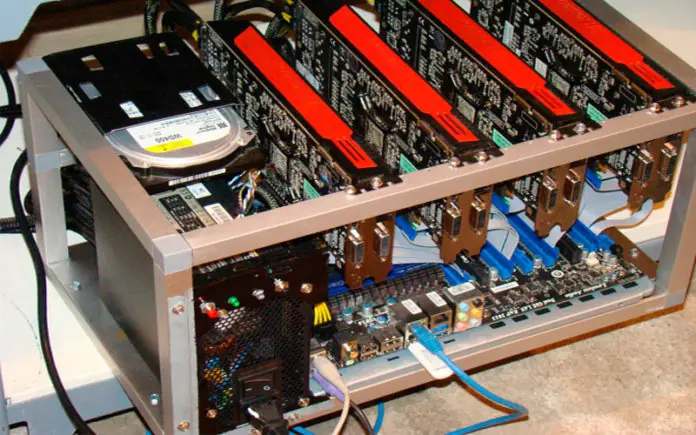

Los GPUs mencionados a continuación tienen un excelente mining hashrate y al mismo tiempo un bajo consumo en watts; además se listan también las mejores mother boards, próximamente iré agregando las mejores CPUs, memorias RAM, SSD, etc.
Las criptomonedas que se pueden minar eficientemente con esta lista de hardware son:
Ethereum (ETH), Ethereum Classic (ETC), Monero (XMR), PascalCoin (PASC), Decred (DCR), Expanse (EXP), Lbry Credits (LBC), Siacoin (SC), Komodo (KMD), Ubiq (UBQ), Karbowanec (KRB), Bipcoin (BIP).
TARJETAS DE VIDEO PARA MINERIA ETHEREUM
GPU 470 / 480 SERIES
Sapphire Radeon NITRO+ Rx 470 / 480 OC Series
Sapphire Radeon NITRO Rx 470 4GB
Para obtener el mejor rendimiento de minería con esta GPU, tendrás que modificar el BIOS. En la configuración de valores puede minar con un hashrate de 22.xx Mh/s en Ethereum, pero con un BIOS modificado puede alcanzar hasta 29.xxx – 31 Mh / s dependiendo de qué tipo de memoria tiene tu tarjeta, Samsung, Hynix O Elpida!
- 1143 MHz Engine Clock; 1260 MHz boost Engine Clock
- 1750 MHz, 7000Mbps effective Memory Clock
- Ethereum: 22Mh/s – 31Mh/s
- Ethereum Classic: 22Mh/s – 31Mh/s
- ZCash: 300H/s – 400H/s
- Monero: 650 H/s – 850 H/s
Sapphire Radeon NITRO Rx 480 8GB
La misma modificación se debe hacer para esta tarjeta para obtener un mejor rendimiento de minería, tendrás que modificar el BIOS. En las configuraciones de valores puede minar con un hashrate de 24.xx Mh / s (+2) en Ethereum, pero con un BIOS modificado puede alcanzar hasta 29.xxx – 31 Mh / s dependiendo del tipo de memoria que tenga tu tarjeta. Por lo general es sólo Samsung.
- 1121 MHz Engine Clock; 1260 MHz boost Engine Clock
- 2000 MHz, 8000Mbps effective Memory Clock
- Ethereum: 22Mh/s – 31Mh/s
- Ethereum Classic: 22Mh/s – 31Mh/s
- ZCash: 300H/s – 400H/s
- Monero: 650 H/s – 850 H/s
- check bottom for more details
GPU 570 / 580 SERIES
AMD Radeon RX 570 / 580 Series
Sapphire Pulse RX 570 4GB
- GPU/memo clock: 1130/2050
- Ethereum: stock 24 Mh/s ; modded bios + oc 29-29.5Mh/s (Hynix)
MSI RX 570 Gaming X 4G
- GPU/memo clock: 1140/2050
- Ethereum: stock 22.2 Mh/s ; modded bios + oc 28Mh/s – 30Mh/s
MSI RX 570 Armor 4G OC Gaming
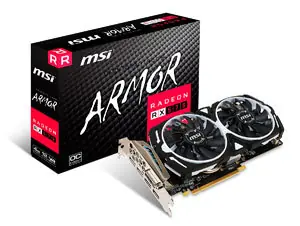
- GPU/memo clock: 1150/2000
- Ethereum: stock 22.2 Mh/s ; modded bios + oc 27.3 MH/s ; 28.5 Mh/s (still good for improvements)
- Power Usage: 105W / GPU-z shows 75-80W
Sapphire Pulse RX 570 ITX 4GB
- GPU/memo clock: 1100/1910 (Elpida)
- Ethereum: stock 22.4 Mh/s ; bios mod + oc 30.5 Mh/s (dual)
- Power Usage: 130w (power may be higher)
Sapphire Nitro+ RX 580 8GB Limited Edition
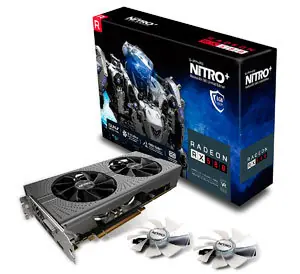
- GPU/memo clock: 1150/2250
- Ethereum: stock 22.5 Mh/s ; modded bios + oc 30 – 31.6 Mh/s
- Power Usage: 130w
Sapphire Nitro+ RX 580 8GB
- GPU/memo clock: 1130/2150
- Ethereum: stock 24 Mh/s ; modded bios + oc 30 Mh/s ETH – 870 Mh/s DCR
- Power Usage: 130w – 150w
Sapphire Pulse RX 580 8GB OC
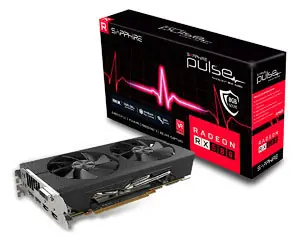
- GPU/memo clock: 1130/2150
- Ethereum: stock 24.5 Mh/s ; modded bios + oc 30Mh/s
- Power Usage: 110w
MSI RX 580 8GB Gaming X
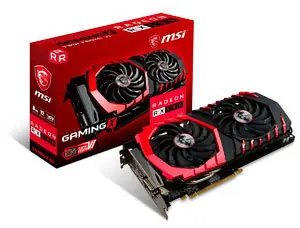
- GPU/memo clock: 1130/2150
- Ethereum: stock 24.5 Mh/s ; modded bios + oc 29Mh/s – 30.7 Mh/s
GPU GTX 1060 / 1070 / 1080 SERIES
Nvidia GeForce GTX 1060 / 1070 / 1080 Series
Gigabyte Geforce GTX 1060 Windforce OC 6G
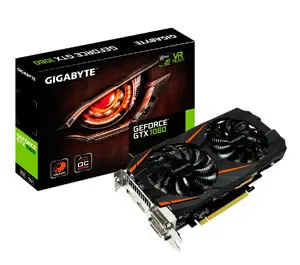
Hashrate: Ethereum 17-22mh/s, ZCash 300-350, Monero 400-425
Gigabyte Geforce GTX 1060 G1 GAMING 6GB
- Hashrate: Ethereum 17-22mh/s, ZCash 300-350, Monero 400-425
MSI GAMING GEFORCE GTX 1060 6GB
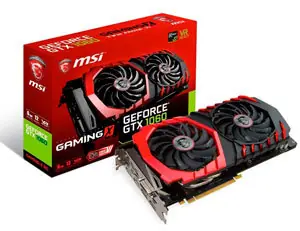
- Hashrate: Ethereum 17-22mh/s, ZCash 300-350, Monero 400-425
EVGA Geforce GTX 1060 FTW+ Gaming 6GB
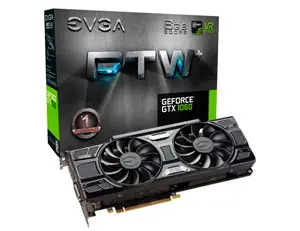
- Hashrate: Ethereum 17-22mh/s, ZCash 300-350, Monero 400-425
Gigabyte Geforce GTX 1070 8GB
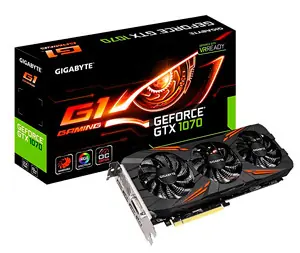
- Hashrate: Ethereum 25-30mh/s, ZCash 400-450, Monero 420-475
MSI Gaming Geforce GTX 1070 8GB
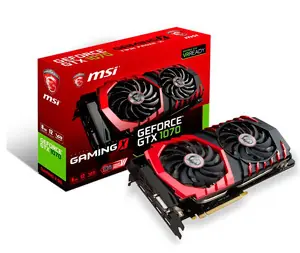
- Hashrate: Ethereum 25-30mh/s, ZCash 400-450, Monero 420-475
MSI Armor Geforce GTX 1070 8GB OC
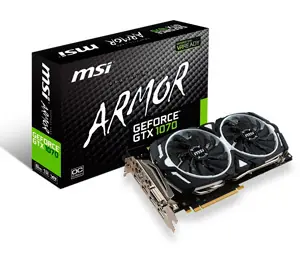
- Hashrate: Ethereum 25-30mh/s, ZCash 400-450, Monero 420-475
ASUS Geforce GTX 1070 8GB
- Hashrate: Ethereum 25-30mh/s, ZCash 400-450, Monero 420-475
EVGA Geforce GTX 1070 SC Gaming ACX 3.0 Black Edition 8GB
- Hashrate: Ethereum 25-30mh/s, ZCash 400-450, Monero 420-475
Gigabyte Geforce GTX 1080 TI Gaming OC 11GB
- Hashrate: Ethereum 25-30mh/s, ZCash 640-70, Monero 480-530
MSI GTX 1080 TI Gaming X 11GB
- Hashrate: Ethereum 25-30mh/s, ZCash 640-70, Monero 480-530
MSI GTX 1080 TI Armor 11GB
- Hashrate: Ethereum 25-30mh/s, ZCash 640-70, Monero 480-530
ASUS Rog Strix GTX 1080TI GAMING 11GB
- Hashrate: Ethereum 25-30mh/s, ZCash 640-70, Monero 480-530
Motherboards para Minería Etherium
Intel Motherboard 1150 Socket
6 GPU – ASRock H81 PRO BTC R2.0 LGA 1150
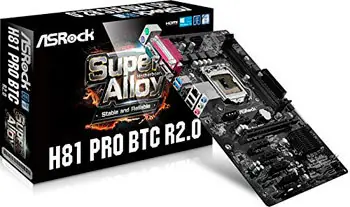
- Chipset: Intel H81
- CPU Socket: 1150 (4th generation Intel Core i7 / i5 / i3 / Xeon / Pentium / Celeron in LGA1150 Package)
- Memory: Dual Channel DDR3/DD3L Memory Technology
- 32Mb AMI UEFI Legal BIOS with multilingual GUI support
- CPU, DRAM, PCH 1.05V Voltage multi-adjustment Graphics
- PCIE x1 Gigabit LAN 10/100/1000 Mb/s
- 5 x PCI-Express x1
- 1 x PCI Express x16
6 GPU – Biostar Motherboard TB250-BTC
- Chipset: Intel B250
- CPU Socket: Core i7 / i5 / i3 / Pentium / Celeron (LGA1151)
- Memory: DDR4 2400/ 2133/ 1866
- 6 PCI Express slots mining motherboard
- 5 x PCI-Express x1
- 1 x PCI Express x16
AMD Motherboard AM4 Socket
6 GPU – Biostar Motherboard TB350-BTC
- Chipset: AMD AM4 Socket
- CPU Socket: AMD Ryzen 5
- Memory: DDR4 3200(OC)/ 2933(OC)/ 2667/ 2400/ 2133/ 1866 MHz
- 6 PCI Express slots mining motherboard
- 5 x PCI-Express x1
- 1 x PCI Express x16
Intel Motherboard 1150 Socket
6 GPU – ASRock ATX DDR3 1333 LGA 1150 Motherboards Z97 EXTREME4 1150
- Chipset: Intel H81, Intel Z97 Express
- CPU Socket: 1150, Supports 5th/4th Generation Intel® Core™ i7/i5/i3/Pentium®/Celeron® Processors
- Memory: 4x DDR3-3200+(OC)/2933+(OC)/ 2800(OC)/ 2400(OC)/ 2133(OC)/ 1866(OC)/ 1600/ 1333/ 1066 DIMM Slots, Dual Channel
- 3 x PCI-Express 2.0 x1
- 3 x PCI Express 3.0 x16
- 1 SATA Express, 8 SATA3, 1 M.2 (PCIe Gen2 x2 & SATA, Supports 30mm, 42mm, 60mm, 80mm, 110mm M.2 devices)
- PCIE x1 Gigabit LAN 10/100/1000 Mb/s
Intel Motherboard 1150 Socket
6 GPU – Biostar TB85 DDR3 1333 LGA 1150 Motherboard 1150
- Chipset: Intel B85 single chip architecture
- CPU Socket: 1150, Intel 4th generation Core i7 / i5 / i3 / Pentium / Celeron processors
- Memory: 2-DIMM DDR3 1600/ 1333/ 1066
- 5 x PCI-Express 2.0 x1
- 1 x PCI Express 3.0 x16
- 100% X.D.C solid capacitor
- PCIE x1 Gigabit LAN 10/100/1000 Mb/s
AMD Motherboard AM3+ Socket
6 GPU – Gigabyte AM3+ AMD 990FX SATA 6Gb/s USB 3.0 ATX
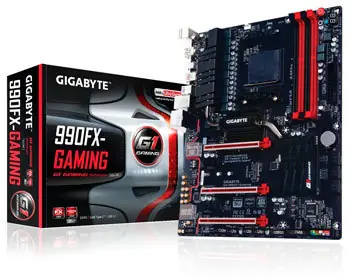
- Chipset: AMD SB950
- CPU Socket: AM3+/AM3/AMD Athlon II Chipsets: AMD 990FX/AMD SB950
- Memory: 4 x 1.5V DDR3 DIMM sockets supporting up to 32 GB of system memory.Support for DDR3 2000(O.C.)/1866/1600/1333/1066 MHz memory modules
- 2 x PCI Express x16 slot running at x16
- 1x PCI Express x4 slots
- 2 x PCI Express x1 slot
- 1x PCI slots
Intel Motherboard 1151 Socket
7 GPU – MSI Z170A Gaming Pro Carbon Motherboard LGA 1151
- Chipset: Intel Z170 Express
- CPU Socket: LGA 1151, supports 6th Generation Intel Core i7/ i5/ i3/ Pentium/ Celeron Processors
- Memory: 4x DDR4-3600(OC)/ 3200(OC)/ 3000(OC)/ 2800(OC)/ 2600(OC)/ 2400/ 2133 MHz DIMM Slots, Dual Channel, ECC, Un-buffered, Max Capacity of 64GB
- 4x PCI-Express 3.0 x1 Slots
- 3x PCI-Express 3.0 x16 Slots (runs at x16/x0/x4 or x8/x8/x4 modes)
- 6x SATA3 Ports
- M.2: 1x M.2 Ports, Support SATA3 & 4.2/ 6/ 8cm Length M.2 SSD Cards
Intel Motherboard 1151 Socket
7 GPU – ASUS PRIME Z270-A Motherboard LGA 1151
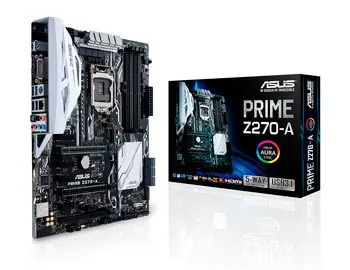
- Chipset: Intel Z170 Express
- CPU Socket: LGA 1151, supports 6th Generation Intel Core i7/ i5/ i3/ Pentium/ Celeron Processors
- Memory: 4x DDR4-3600(OC)/ 3200(OC)/ 3000(OC)/ 2800(OC)/ 2600(OC)/ 2400/ 2133 MHz DIMM Slots, Dual Channel, ECC, Un-buffered, Max Capacity of 64GB
- 4x PCI-Express 3.0 x1 Slots
- 3x PCI-Express 3.0 x16 Slots (runs at x16/x0/x4 or x8/x8/x4 modes)
- 6x SATA3 Ports
- M.2: 1 x 22110 (PCIe 3.0 x4 & SATA) 1 x 2280 (PCIe 3.0 x4)
Intel Motherboard 1151 Socket
7 GPU – Gigabyte Z170 Gaming 5 (GA-Z170X-GAMING 5) Motherboard LGA 1151
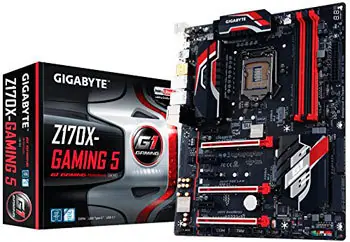
- Chipset: Intel Z170 Express
- CPU Socket: LGA 1151, supports 6th Generation Intel Core i7/ i5/ i3/ Pentium/ Celeron Processors
- Memory: 4x DDR4-3600(OC)/ 3200(OC)/ 3000(OC)/ 2800(OC)/ 2600(OC)/ 2400/ 2133 MHz DIMM Slots, Dual Channel, ECC, Un-buffered, Max Capacity of 64GB
- 1x PCI-Express 3.0 x16 Slot, 1x PCI-Express 3.0 x8 Slot, 1x PCI-Express 3.0 x4 Slot, 4x PCI-Express 3.0 x1 Slots
- 3 x SATA Express connector, 6 x SATA 6Gb/s connectors
- M.2: 1 x 22110 (PCIe 3.0 x4 & SATA) 1 x 2280 (PCIe 3.0 x4)
Intel Motherboard 1151 Socket
7 GPU – Gigabyte GA-Z170X-UD5 Motherboard LGA 1151
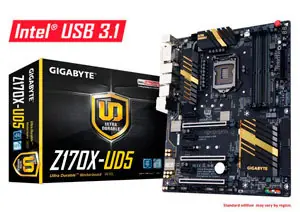
- Chipset: Intel Z170 Express
- CPU Socket: LGA 1151, supports 6th Generation Intel Core i7/ i5/ i3/ Pentium/ Celeron Processors
- Memory: x DDR4 DIMM Slots and Dual Channel
- 1x PCI – Express 3.0 x16 Slots, 1x PCI – Express 3.0 x8, 1x PCI – Express 3.0 x4 and 4x PCI – Express 3.0 x1
- 3 x SATA Express,8 x SATA 3
- 2 x M.2
Intel Motherboard 1151 Socket
7 GPU – MSI Z170A Gaming M5 Motherboard LGA 1151
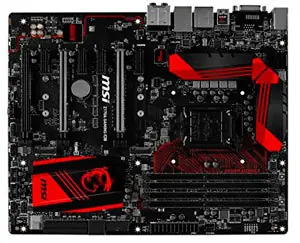
- Chipset: Intel Z170 Express
- CPU Socket: LGA 1151, supports 6th Generation Intel Core i7/ i5/ i3/ Pentium/ Celeron Processors
- Memory: x DDR4 DIMM Slots and Dual Channel
- 3x PCI-Express 3.0 x16 Slots (runs at x16, x8/x8, x8/x8/x4, or x8/x8/x1 modes), 4x PCI-Express 3.0 x1 Slots
- 6x SATA3 Ports (4-ports reserved for SATA Express Port), Support RAID 0, 1, 5, 10; 2x SATA Express Ports (PCI-Express 3.0 x2)
- 2 x M.2
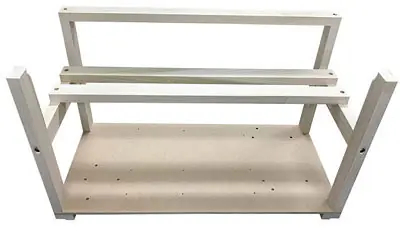
Frames para Minería Etherium
GPU Mining Rig Open Air Frame Computer Case Chassis
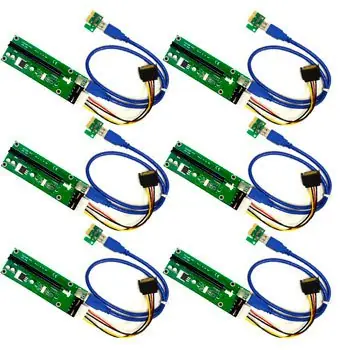
Powered Risers / USB
6-Pack PCIe VER 006 PCI-E 16x to 1x Powered Riser Adapter Card

Como armar un rig de mineria para Ethereum, Zcash y Monero (2017)
¿Que es un rig de mineria?
Básicamente un rig de minería es una PC vitaminada con alto hashrate de procesamiento, pero con algunas consideraciones adicionales que principalmente implican qué tipo de Placa base y GPU elegir. Así que, si tienes algo de experiencia trasteando la PC, ensamblar un rig minero no te presentara mayores dificultades.
El hashrate de nuestro rig dependerá del tipo de tarjeta gráfica elegida así como el numero de las mismas. La norma actual son las configuraciones con seis tarjetas gráficas unidas a una misma placa base. Esto implica también que necesitaremos una fuente de poder enorme (o dos) para poder alimentar nuestro rig minero.
Ya que el proceso de minado es una tarea exclusiva de la tarjeta gráfica, el resto de los componentes como el procesador o la memoria ram pasan a segundo plano. Lo importante aquí son las GPU.
Parte 1: eligiendo los componentes
Procesador
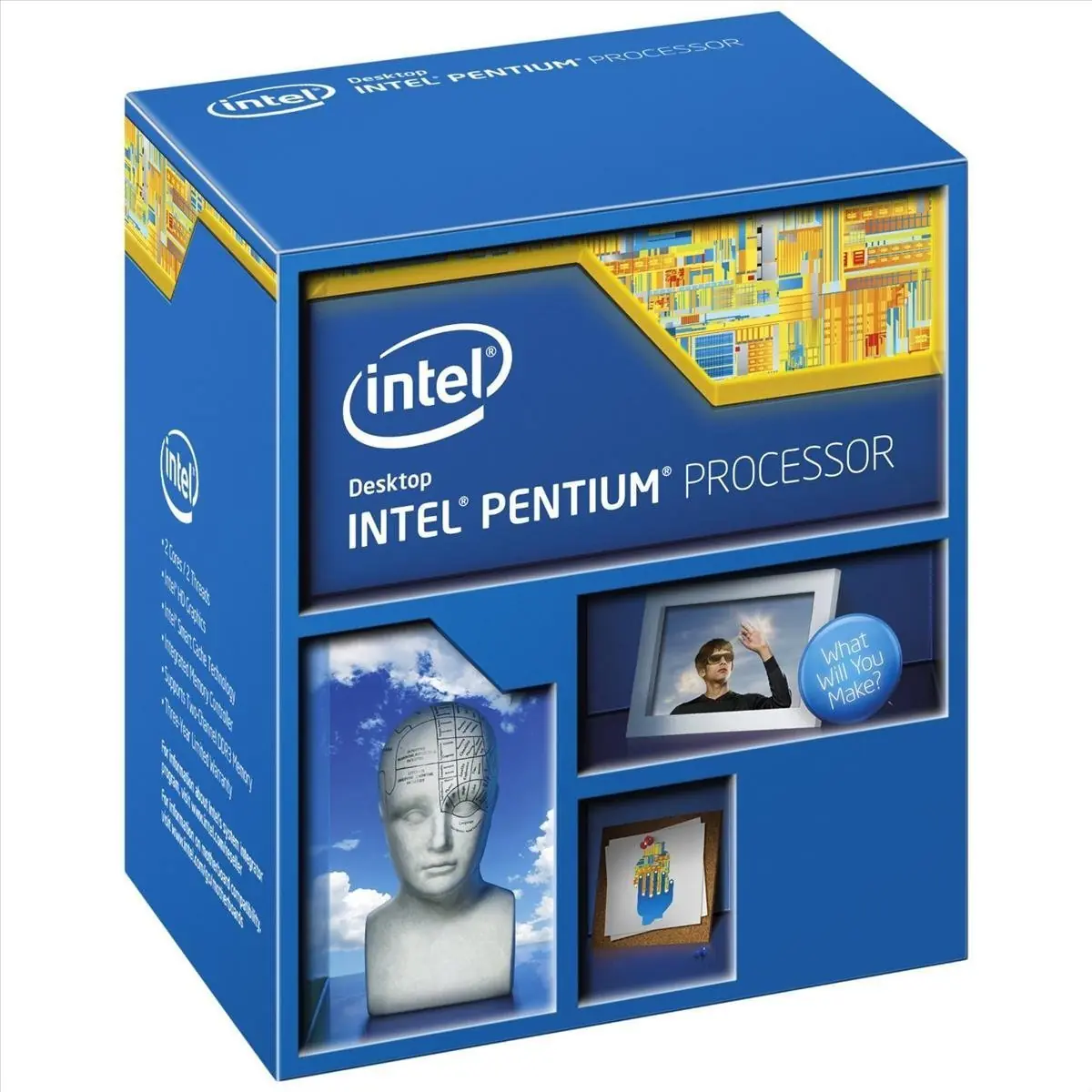
Necesitamos de un procesador básico que nos permita ejecutar Windows 10, Ubuntu o EthOS, y que se encargue de administrar el resto de los dispositivos de nuestro rig. Aquí cabe aclarar que el proceso de minado es mediante GPU, lo que significa que la carga de trabajo recaerá exclusivamente en las tarjetas gráficas. Por tanto, a la hora de elegir un procesador nos bastara con un doble núcleo.
En este caso hemos elegido el procesador Pentium G3260, un procesador dual core basado en el zocalo LGA 1150 de Intel, es eficiente, sumamente económico y cuenta con una frecuencia base de 3.3GHZ.
Si buscamos algo mas reciente, la mejor opción que vamos a encontrar es el Pentium G4600, de 2 núcleos y 4 procesos lógicos, y con una frecuencia de 3.6GHZ. Esta basado en el zócalo LGA 1151 de Intel y es compatible con memorias DDR4.
El LARGO DEL POST NO ME PERMITE CONTINUAR
CLICK PARA EN LA IMAGEN PARA ACCEDER A LA SEGUNDA PARTE